Onion Curry (Pyaaz ki Sabji)

Onion Curry (Pyaaz ki Sabji)

Statutory Warning: If you live in India and buy onion with your yearly bonus these days, wait for the prices to come down before you try this curry.

Once upon a time onions were banned in my grandmother’s kitchen. They slowly made a guest appearance when my mom took over the kitchen. It was a once in a while affair then. Weekend snacks, or special occasions or whenever my aunt visited us from Solapur. As with any other thing that you are not supposed to eat or which is not cooked regularly, onion too was my favorite especially the pyaaz ki pakodi (onion fritters). Things slowly changed, and onion is a permanent resident in our kitchen now. Though used sparingly, the ban is not there anymore.
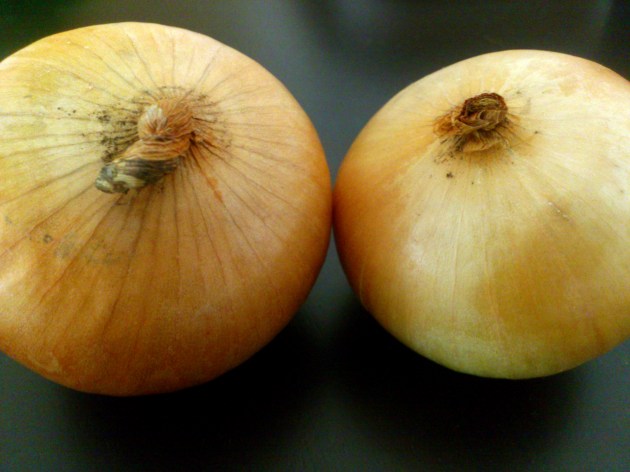
One of my aunts lives in Solapur. Whenever she used to visit us during vacations, it would be a treat for us as she would prepare all the new recipes she learnt at her in laws place. Most of the dishes she prepared included onions. One such curry was this quick and easy onion curry. Only thing she insisted always (and still does) is to have the hara masala (fresh coriander, curry leaves, ginger and green chillies) for cooking. These fresh ingredients add that special flavor to the curry.

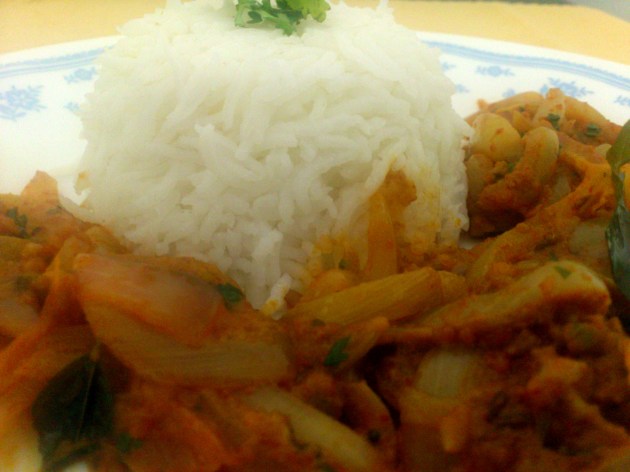
This curry makes a perfect yummy meal for the times when you don’t want to spend lot of time in kitchen and still want yummy food. The coarsely ground groundnuts add crunch to the curry. This curry, tastes best with hot rice. You can eat it with roti too.
Onion Curry (Pyaaz ki Sabji)

Ingredients

Serves 2-3

  • 3 onions chopped (preferably juliennes)
  • 3 tbsp oil
  • ¼ tsp cumin seeds (Jeera)
  • ¼ tsp mustard seeds (rai)
  • 8-10 curry leaves
  • 2 green chillies slit
  • 2 inch piece of ginger grated
  • ¼ tsp asafoetida (heeng)
  • 2 tsp red chilli powder
  • ¼ tsp turmeric powder (haldi)
  • 2 tsp coriander powder (dhaniya powder)
  • ¼ tsp garam masala
  • 3 tbsp groundnuts roasted and coarsely ground
  • 1 ½ tsp lime juice
  • 2 tbsp fresh coriander (chopped)
  • ¼ cup water
  • Salt to taste

Recipe

Heat oil in a kadhai or a thick bottomed pan. Add cumin seeds and mustard seeds. Once the seeds splutter, add grated ginger, green chillies, and curry leaves. Tear and crush the curry leaves a little to get more flavor.

Add half of the chopped coriander and sauté. Add chopped onions and salt. Mix well and cook for 2-3 mins or till the onions are translucent. Add, turmeric, red chilli powder, coriander powder, asafoetida, groundnuts, and garam masala. Add little water (approximately 1/4th cup) and mix well. Cook on low flame for 5-6 minutes.

Add lime juice and chopped coriander. Mix well and serve with hot rice.
Masala Dosa (Indian Savory Pancakes)

Masala Dosa (Indian Savory Pancakes)

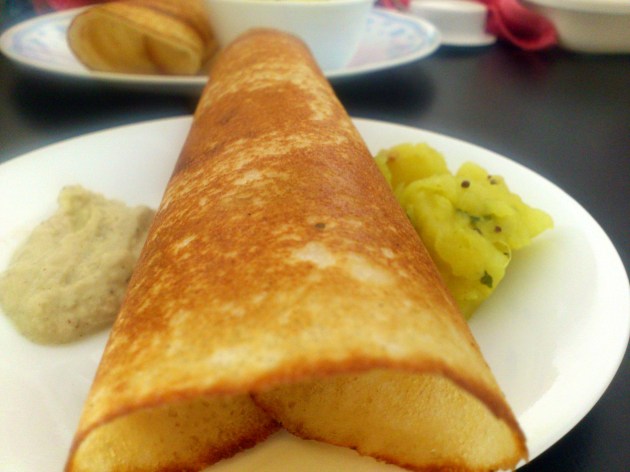
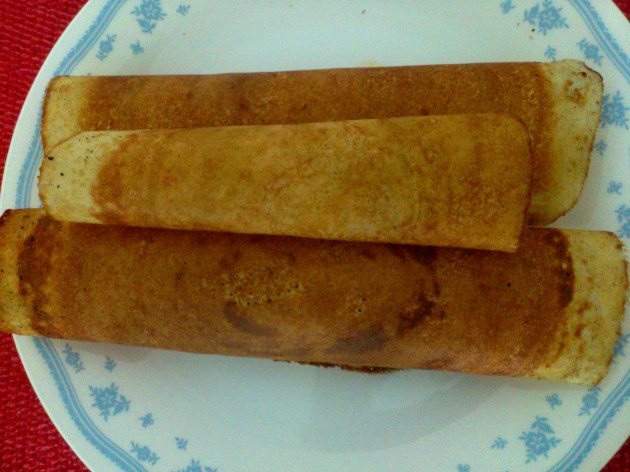
My mom has been making dosa every alternate Sunday for more than 30 years now. Idli and Dosa are fixed weekend breakfast at my place. In Hyderabad, you can find lot of roadside stalls selling a variety of dosas. Right from zero oil steamed dosa to the butter laden variety dosas, you can practically eat dosa 24×7 in Hyderabad. This Indian pancake is made of various lentils soaked, ground and fermented overnight. The batter is then spread thinly like a pancake on a hot griddle and eaten with coconut chutney and potato curry.

Though I love the yummy (read full of butter) dosa sold on the roadsides, here is the healthier version. This is my family recipe of dosa. At our place, dosa is served the traditional way, with a very simple potato and onions curry and coconut chutney.

Dosa is one of the most versatile Indian breakfast which can be filled with anything you like. Paneer bhurji, vegetables, chocolate, cheese, pav bhaji the list is endless. It is best eaten hot and you can keep the batter in the freezer and reuse it later. If you have the batter ready, it is pretty quick to make.

Masala Dosa (Indian Savory Pancakes)

Ingredients

Serves 4

Dosa Batter

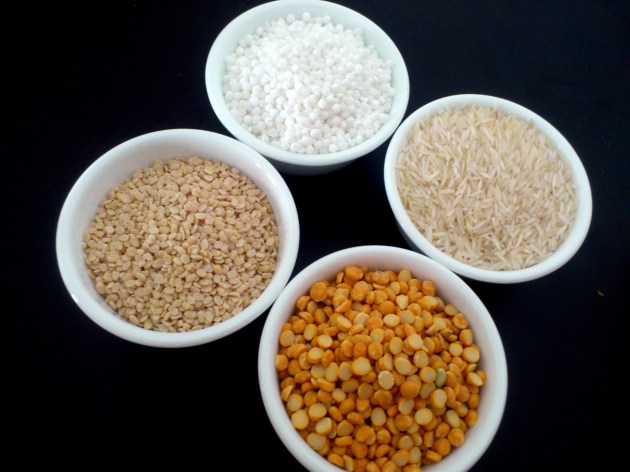
  • 1 cup + 1/4th cup rice
  • 2/3rd  cup urad dal
  • 2/3rd  cup chana dal
  • 1/4th cup sago (sabutdana)
  • 8-10 fenugreek seeds
  • ½ tsp sugar
  • Oil, ghee, or butter as required to cook the dosa

Potato Curry

  • 4 potatoes
  • 2 onions chopped
  • 8-10 curry leaves
  • 2 inch piece of ginger grated
  • 3 green chillies slit
  • ¼ tsp mustard seeds
  • ¼ tsp cumin seeds
  • ¼ tsp turmeric
  • 2 dry red chillies broken
  • 1 tbsp chopped fresh coriander
  • Salt to taste

Chutney

  • ½ cup bengal gram (futana dal or chana)
  • ¼ cup grated coconut
  • 2 green chillies
  • Salt to taste

For Dosa batter

Wash rice, urad dal, chana dal, and sago 3 -4 times. Soak them in enough water with fenugreek seeds for 4-5 hours. Drain and grind the ingredients to a smooth batter using as little water as possible. The batter should not be runny. Add salt and sugar and mix well. Keep the batter in a large vessel and cover it and store it in a warm place overnight or 8-9 hours to ferment. Once the batter is fermented, mix it well and add little water if the batter is too thick.

For Curry

Pressure cook the potatoes with little salt for 3 whistles or till they are very soft. Peel and cube the potatoes.

Heat oil in a kadhai (wok). Add mustard and cumin seeds. Once the seeds splutter, add ginger, curry leaves, and the dry red chillies. Add onions and sauté for 2 minutes. Add potatoes, salt, turmeric, and chopped coriander and mix well. Cook for 2-3 minutes.

For Chutney

Grind all the ingredients to a smooth paste adding little water.

For Dosa

Heat a thick and flat griddle (tava). Put a ladle full of dosa batter on it and spread it thinly like a pancake. Pour oil/ghee/butter around the dosa and let it cook till it becomes crispy on edges. You can use a non-stick pan if you want oil free dosas.

You can put the potato curry in the center, roll it and serve with chutney. Or just roll the dosa and serve with potato curry and chutney.

Tips

If you want to add any other filling, spread it on the dosa once you spread the batter on tava.

If the dosa is not coming out of the tava, spray some oil and clean the tava with a tissue.

Oats Frittata (Oats Uttapam)

Oats Frittata (Oats Uttapam)

This is my version of vegetarian frittata and I can bet this is one of the healthiest breakfast options. You can call it oats uttapam if you like. I like oats for breakfast but I don’t like the sweeter version. It is very quick to make and you can add different vegetables and play with the flavors. I have added the veggies I like. You can also add sun-dried tomatoes, fresh tomatoes, and grated carrots, fresh herbs like parsley or coriander.

The batter needs to be thicker like uttapam batter. Oats will absorb water when you keep the batter for long time. You can check the consistency before making the frittata and add little water. Make sure the tava(griddle) is not too hot or the frittata will break.

This frittata is not only very healthy but also keeps you full for long time.  You can eat it with ketchup if you like. Another good option is to add some Parmesan cheese to the batter if you want a cheese frittata. If you try this out and like it, do share the feedback/pics. Happy eating!

Oats Frittata (Oats Uttapam)

Ingredients

Makes 2

  • ¼ cup oats (I use Quaker’s quick cooking rolled oats)
  • ¼ cup semolina
  • ¼ cup mixed vegetables chopped (red, yellow and green capsicum, onion, broccoli)
  • 1 tbsp rice flour
  • ¼ tsp oregano
  • ¼ tsp pepper powder
  • 4-5 olives chopped
  • 1-2 pinches chilli flakes
  • Salt to taste
  • 8-10 fresh basil leaves chopped
  • 1 pinch soda
  • 1 tbsp fresh yogurt
  • ½ cup water

Recipe

Grind the oats and semolina to a coarse powder. Add yogurt, ½ cup water, salt, and rice flour. Mix well and keep it aside for 10-15 mins. Add rest of the ingredients and mix well. If the batter is too thick add little water.

Heat a thick tava (griddle) pour half of the batter and spread like a pancake/uttapam. Spray or drizzle some olive oil around and on top of the frittata.

Let it cook for 1-2 mins till it is brown and crispy. Flip and cook the other side for 1 minute.

Serve hot.

Rasgulla

The pioneer of cookery shows and cook books in India, Tarla Dalal passed away on Wednesday, 7-Nov-13. She was truly the first master chef of India and has inspired generations of cooking enthusiasts. Be it traditional Indian food, healthy cooking, cooking for kids, or different types of cooking, list of her expertise is endless. She taught people to cook healthy and cook well. Whenever I am stuck or confused while making a traditional mithai, her recipes work like an encyclopedia. I am sharing her recipe and hope her recipes keep spreading the cheer and happiness that she always did. RIP Tarla Dalal.

After trying 4-5 different recipes and methods, it was this recipe of Tarla Dalal, which helped me make perfect rasgullas in a flash. Yes! The cooking time is not more than 12-15 minutes. This is the easiest and simplest recipe of rasgulla I have seen so far.

Rasgulla

Though there are only four ingredients you need to follow every step as mentioned to get the perfect rasgullas. Here are few tips before the recipe:

  • If possible, use half quantity cow’s milk and half quantity buffalo’s milk.
  • Quantity of lime juice required to curdle the milk depends on the quality of milk.
  • Adding excess lime juice will make the rasgulla lemon flavoured.
  • Do not touch the rasgullas once you place them on the plate.
  • Make sure the cooker has enough space for rasgullas to expand. They will double in size. If there is no space rasgullas will break.
  • Always cook rasgullas on high flame.

Soft and fresh chenna(hung curdled milk) is the key to perfect rasgullas. The process of making chenna looks long but it is worth it. Since rasgulla is milk-based, it is best enjoyed fresh. The shelf life of milk-based sweets is not very long. You can keep them in fridge for few days though.

Rasgulla

Ingredients

Makes 20 Rasgullas

  • 1 litre full fat milk
  • 1 -2 tbsp lime juice
  • 1 cup + 1/4th cup sugar
  • 5 cups water
  • Little (1-2 tsp) refined flour

Recipe

Bring milk to boil and switch off the gas. Wait for 3-4 minutes, stirring it occasionally for the steam to escape. Stir in 1 tbsp of lime juice. If the milk starts to curdle, then you will not need more lime juice. Add little more lime juice if the milk does not curdle.
Let it sit for some time. Take a white muslin cloth and spread it in a deep bowl. Put the milk and tie the cloth. Now run the tied cloth under fresh water for 2-3 minutes so that the chenna (curdled milk) gets washed and gets rid of the lime flavour. Hang it over a sink or any clean place where water can drip. Hang it for 3-4 hours or till the water drips out completely.

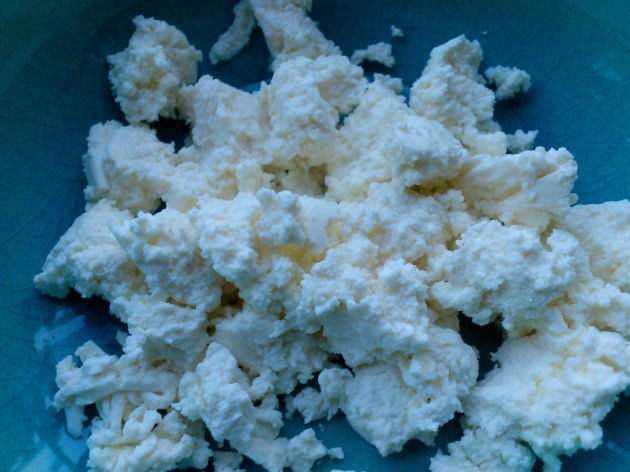
Take the chenna in a plate and mash it with the heel of your palm till you get a smooth mixture. This should not take more than 2-3 minutes.

Dust the back of a plate with refined flour. Take little chenna at a time and make smooth balls and place on the dusted plate. Make sure there are no cracks in the balls.

While you are making the chenna balls, put sugar and water in a cooker and bring to boil on a high flame.

Once the sugar water comes to boil, add the balls to it by tilting the plate. Do not touch the balls. Close the cooker and cook on high flame for 8-9 minutes without the whistle. Switch off the gas. Let the cooker get cooled. Do not touch the rasgullas still.

Open the cooker and slowly transfer the rasgullas to a bowl. Chill them in a refrigerator for 45 minutes to 1 hour before eating/serving.


Leftover Roti Snack


Leftover Roti Snack

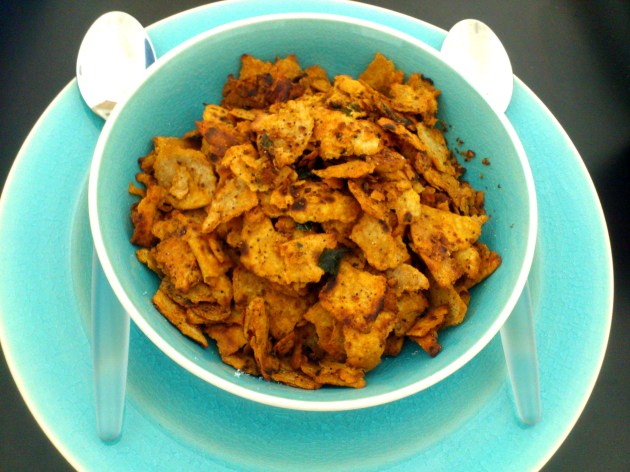
What started as a snack made from leftover rotis, is now a regular breakfast item in my kitchen. I make extra rotis the previous night to have this breakfast. It is spicy, crunchy, healthy, and quick.

Fresh curry leaves add more crunch and flavor to this snack. Tear/crush the curry leaves a little to get more flavor from them. Only thing you need to take care of is to cook this on low flame and eat it while it is hot and fresh. It tends to get chewy if left for too long after cooking.

You can enjoy this snack with a hot cup of chai (tea) or coffee. I enjoy it as it is. Hot, crispy and flavorful.

Leftover Roti Snack


Ingredients

Serves 2

  • 5 rotis
  • 1 tbsp oil
  • ¼ tsp cumin seeds
  • ¼ tsp mustard seeds
  • 4 cloves garlic chopped
  • 10-12 curry leaves
  • ¼ tsp asafoetida
  • ¼ tsp turmeric
  • 1 tsp chilli powder
  • 2 tbsp buttermilk
  • Salt to taste

Recipe

Tear the rotis into small pieces. Heat oil in a kadhai or thick bottomed pan. Add cumin seeds and mustard seeds. Once the seeds pop, add curry leaves and garlic. Sauté for 30-40 seconds on low flame.

Add asafoetida, turmeric, chilli powder, and salt. Give it a very quick mix and put the roti immediately and mix well to coat the mixture on rotis. Sauté for 1 minute on low flame. Add the buttermilk and mix well. Sauté on a low flame for 2-3 minutes or till the roti is crispy.

Serve hot with tea.

Chandrakala (Sweet filled with Khoa and nuts)

Chandrakala (Sweet filled with Khoa and nuts)

Two three days before Diwali, my home resembles a sweet shop. The aroma of the sweets and savories can be felt in the neighborhood. My grandmother, mom, and aunt make lot of sweets and savories to be distributed to family, relatives, friends, employees, friends of friends, the postman, sweeper, and anybody and everybody who comes home to get the Diwali inaam. The most popular of these preparations is chandrakala. I end up eating them for lunch the day they are being made. This is the by far the best mithai/sweet my grandmother makes. No garnishes, no saffron in sugar syrup, plain simple chandrakala which is crispy outside and melts in mouth with each bite. Heaven!

This mithai is a sweet kachori/pastry filled with dry fruits, fried in ghee/oil and dipped in sugar syrup. Its heavy on calories but isn’t Diwali a perfect excuse to indulge.

Folding the chandrakala is an art. I have learnt this from my grandmother. Once you seal two puris with the stuffing inside, gently pinch the edges and twist them to form a pattern. This will make sure that the filling does not come out while frying.

Do not keep these in fridge. They can be stored in an airtight container for few days. Enjoy the sweet treat this Diwali. Wishing you and very happy and sweet Diwali!

Chandrakala (Sweet filled with Khoa and nuts)

Ingredients

Makes 20 Chandrakalas

  • 1 cup refined flour (maida)
  • ¼ cup ghee (clarified butter)
  • Oil for frying

Filling

  • ¼ cup khoa/wava (dried whole milk)
  • 2 tsp sugar
  • 2 tbsp coarsely crushed dry fruits
  • ¼ tsp cardamom powder

Sugar Syrup

  • 2 cups sugar
  • 2 cups water
  • ½ tsp ghee (optional)

Mix the refined flour and ghee till it resembles bread crumbs. Add very little water at a time and make a firm dough. The dough should not be very stiff or very soft. It should be of medium consistency. Cover and keep it aside for 15 minutes.

Put khoa in a microwave safe bowl and heat it on full power for 20-25 seconds. Add sugar, nuts, and cardamom powder immediately and mix well. Keep aside.

You can even fry the khoa in a pan for 1-2 mins and move it to a cool bowl immediately and mix other ingredients.

Divide the dough into 40 portions and roll out small puris (approximately 3 inches). Take two puris at a time. Put one portion of khoa filling in one puri, cover it with the second puri and seal the edges and pinch and fold the sides in a pattern so that the edges do not open while frying. You can use the moulds available in the market.

Heat enough oil in a deep pan/kadhai and fry the chandrakalas few at a time, till they are golden brown. While you are frying the chandrakala, bring to boil the water and sugar for sugar syrup and make a sugar syrup of one thread*.

Once all the chandrakala are fried, poke each chandrakala on top with a fork. This will help it absorb the sugar syrup. Put them in the hot sugar syrup and coat them with sugar syrup on all sides. You can leave the chandrakala in the syrup for few minutes (3-4) and remove it carefully. Garnish with dry fruits or eat as it is.

*Sugar Syrup

Consistency of sugar syrup is very crucial for Indian desserts. You need to be very careful while working with sugar as it gets extremely hot and can even burn your skin. This recipe calls for one thread consistency of sugar syrup.

One thread consistency is when a single thread is formed when you take little syrup between your index finger and thumb and pull apart the fingers gently. The thread should not break.

Second way to test this is, pour the syrup in a small plate with water. If the syrup does not dissolve immediately and dissolves when you try to gather it, it is one thread consistency.

Another simpler way is to use the cooking thermometer. Single thread syrup is approximately 220ºF – 222ºF/104º-105ºC and is used for sweets where it needs to be absorbed

To test the consistency of sugar syrup, dip a wooden spatula in the syrup and lift out. Allow to cool for a few seconds. Now touch the syrup with a clean index finger to pick a small amount of syrup and bring your thumb and index finger together and pull apart gently.

Berries Parfait (Berries Shrikhand)

Berries Parfait (Berries Shrikhand)

This Diwali, east meets west i.e. shrikhand meets Parfait. I am a big shrikhand fan but it has to be home made. My grandmother makes the best shrikhand. It’s not extremely sweet or heavy like the shrikhand you get in stores. I am a parfait fan too; especially the strawberry parfait. When I saw fresh cranberries at the grocery store, shrikhand parfait was the first thought to cross my mind. I bought lot of them and put them in the freezer for next dessert.

You can also use blueberries and raspberries for this dessert. Berries are not only rich in antioxidants, but are low in calories and yummy too. I wanted to cut the sour taste of cranberries with the sweetness of strawberries and black currant. I used fresh strawberries and black currant juice for the berry compote.

For the shrikhand part, you can either use hung yogurt or use the Greek yogurt which is ready to use. I used my grandma’s method and hung fresh yogurt in muslin cloth for 5-6 hours to let all the water drain. But the Greek yogurt works equally well if you want a quick dessert. Sugar and lime juice in this recipe depend on the taste of berries. Since I was using black currant juice and the strawberries were sweeter, I used less sugar. You can store the extra compote in refrigerator and add it to yogurt and make a quick dessert.

This time I gave a miss to the cocoa powder for dusting and used my favorite memory boosting spice – Cinnamon to add the nutty flavor to the fresh cream. You can layer it in shot glasses, square glasses, or any other way you want. Make sure to chill it for at least 2 hours before eating or serving.

Berries Parfait (Berries Shrikhand)

Ingredients

Serves 2

For Shrikhand

  • 2/3 cup hung yogurt or Greek yogurt
  • 1 ½ tbsp. Icing sugar or powdered sugar
  • 1 tsp Vanilla essence

For Berries Compote

  • ½ cup chopped strawberries
  • ½ cup cranberries
  • ¼ cup blackcurrant juice (I used Ribena)
  • 2 tbsp sugar (if the berries are very sour add 1 more tbsp. sugar)

Garnish

  • 1 tbsp finely chopped strawberries
  • Whipped cream (appx 4 tbsp)
  • ½ tsp cinnamon powder

Recipe

Whip together the shrikhand ingredients till you get a smooth and creamy mixture (approximately 2 minutes) and chill for 1 hour.

Put all the Compote ingredients in a pan and let in boil on low flame till you get a thick sauce like consistency (approximately 12-15 minutes should be good enough). Keep stirring in between. Let it cool completely.

Now layer the dessert glass with alternate layers of compote and shrikhand, start with a layer of compote and end with a layer of shrikhand. Top with a layer of chopped strawberries and pipe or spoon some whipped cream and dust it with cinnamon powder.

Chill for at least two hours before serving.

If you are using the ready to pipe whipped cream, you can add the whipped cream just before serving.


Corn Fritters (Makkai Ke Pakode)

Corn Fritters (Makkai Ke Pakode)

Corn fritters or Makkai ki pakodi is a one of my favorite childhood snacks. This snack belongs to the pre-MacDonald era when people did not eat out a lot and Sundays were relaxing leisure time with family. We would wait one full week to eat the Sunday special snack or meal. I might be biased as I love corn but this just tastes amazing during the rainy season which is also the season of corn.

These fritters are made using the corn on the cob you get during rainy season. I have not tried this with the sweet corn yet. As kids we used to help our mom take the corn out of the cob and demand more fritters for the help 🙂

These fritters are very quick to make and do not require lot of ingredients. The fresher the corn, better the taste. Shelling the corn is the only time consuming task for these fritter. You can buy the frozen corn too if you are short on time. Only thing you need to take care of is not to let the corn turn to a paste while grinding it. It should be just crushed lightly.

You can enjoy these fritters with a hot cup of tea. You can serve them with mint chutney or ketchup or the classic tamarind chutney. I just like them hot and crispy without any dip.

Corn Fritters (Makkai Ke Pakode)

Ingredients

  • 1 cup corn kernels
  • 2 green chillies
  • 4 tbsp gram flour (Besan)
  • 1 tbsp chopped coriander
  • Salt to taste
  • Oil for frying

Recipe

Grind the corn, green chillies and salt very coarsely. It should be like slightly crushed corn.

Add gram flour and chopped coriander. Check for salt and spice at this stage. You can add ½ tsp of red chilli powder if the green chillies are not very spicy.

Heat enough oil to fry the fritters. Grease your palms with little oil. Take little mixture at a time in your hand and shape it like small patty and fry it in hot oil on low to medium flame till its crispy and golden brown. Drain on a tissue or absorbent paper and serve hot.

Khandvi (Savory Roll ups)

Khandvi (Savory Roll ups)

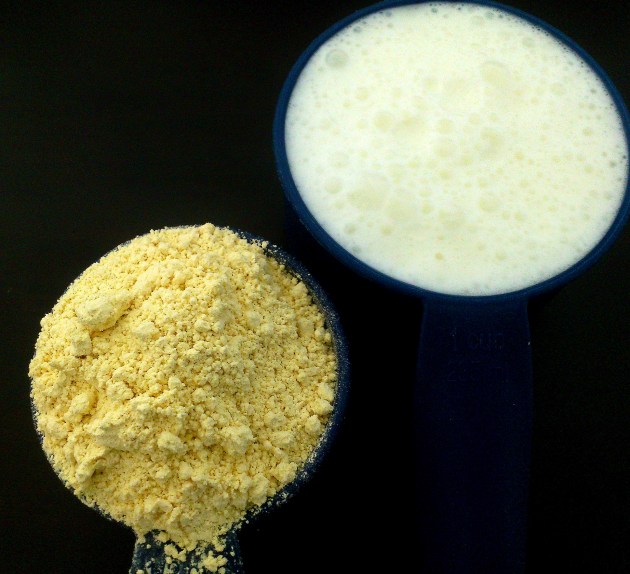
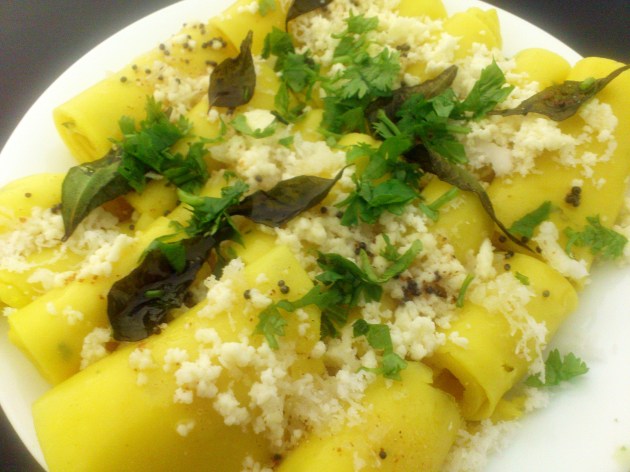
Khandvi is a Gujarati snack. It is a savory roll up made up of gram flour and buttermilk. Buttermilk and gram flour are slow cooked with minimum spices and rolled up and tempered before eating. This is not very spicy or oily and is a favorite snack with kids and elders alike. My grandparents love this snack made by me. It is always a pleasure when people who taught you cooking appreciate your skills and like something you make.

It is a pretty easy and quick cooking snack but making khandvi is not less than an art. It needs a lot of practice. The pan you are cooking it in has to be a non-stick pan or else the gram flour will stick to it and the batter will get burnt. You need to spread the batter very quickly and thinly while it is still hot. The batter gets cooled very quickly and you cannot spread it once it is cooled. Try to make it in batches and make small portions first till you get a hang of spreading the batter fast.

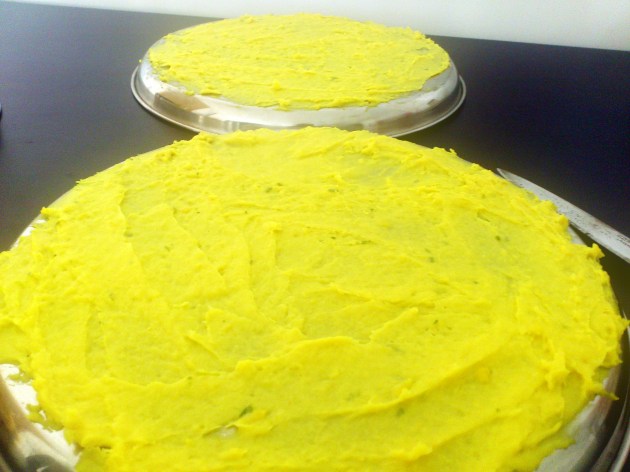
The trick is to spread the batter as thinly as possible, cut the khandvis lengthwise into equal strips and roll them carefully. You can spread the batter on back of a plate, marble counter top, or on a foil too.

You can even stuff the khandvi if you want a variation. Once you have spread the batter you can put a thin layer of grated paneer mixed with salt, black pepper, and chopped coriander and then cut and roll up the khandvi. Traditionally, the tempering for khandvi is of mustard seeds, curry leaves and asafoetida. You can also add green chillies and sesame seeds to the tempering.

I like to add fresh grated cottage cheese (paneer) as a garnish but it is optional. This is ideally a tea time snack and you can serve it as it is or with mint chutney, or ketchup. Khandvi can be kept in refrigerator for couple of days but without the garnish and tempering. It is best eaten the same day.

Khandvi (Savory Roll ups)

Ingredients

  • 1 ½ cup buttermilk
  • ½ cup gram flour (besan)
  • ½ tsp asafoetida (heeng)
  • 1 tsp green chilli and ginger paste
  • ¼ tsp turmeric powder
  • ¼ tsp lemon juice
  • 1 tbsp chopped coriander
  • 1 tbsp fresh grated coconut
  • 1 tbsp fresh grated cottage cheese (paneer) optional
  • 12-15 curry leaves
  • ½ tsp mustard seeds
  • 1 tbsp oil + 1 tsp oil for greasing
  • Salt to taste

Recipe

Whisk together buttermilk, gram flour, half of asafoetida, green chilli and ginger paste, turmeric, salt, and lemon juice in a deep non-stick pan. The pan has to be non-stick otherwise the khandvi batter will stick to the pan and burn.

Cook on a low flame stirring continuously till the batter becomes thick. It should take approximately 6-7 minutes. The consistency of the mixture should be like a paste.

Grease a plate on reverse side using little oil. Take a ladle full of the batter and spread it as thinly and evenly as possible using a spatula. For the above proportion, I greased 2 plates of (approximately 10 inches). You can spread it on a greased foil, or a clean counter top.

Once the batter is cooled, cut the khandvi on each plate lengthwise around 2 inches in width and roll up.

Just before serving, garnish with grated coconut and paneer and chopped coriander. Heat oil in a pan, add mustard seeds, curry leaves, and asafoetida. Once the seeds pop, pour the tempering on the khandvi and serve. You can even add chopped/slit green chillies and sesame seeds to the tempering.

Important

  • If you are making this in quantity, try to prepare it in batches as the gram flour tends to harden up pretty fast.
  • You have to be very quick while spreading out the khandvi paste. It needs to be spread out while it is hot.
  • The easiest way to tell if the batter is ready to spread is to take a tiny amount and spread it on a greased plate or surface. If it rolls easily after few seconds, then the batter is ready.

Broccoli Sauce Pasta

Broccoli Sauce Pasta

Pasta is as dear to me as idli or Panipuri. I can eat it as all the three meals in one day and will still be happy to have it again the next day.  The first time I had pasta was in Cardiff. My friend Deepak’s mom had come down from Moscow for his birthday and she introduced me to pasta and taught me how to make it. There is no looking back since then. I experiment a lot with pasta and this is one of my experiments gone right.

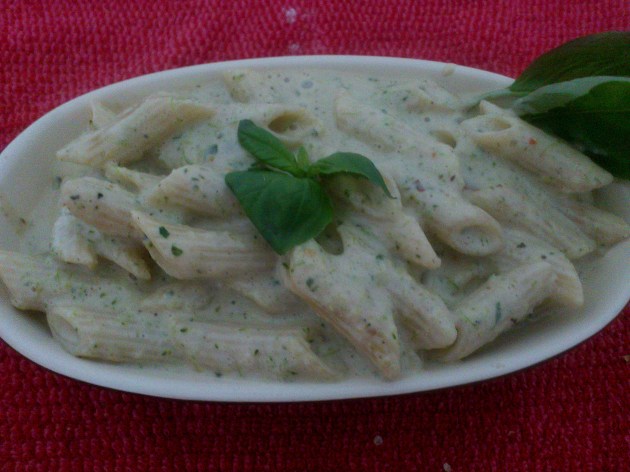
This sauce goes well with Fettuccine pasta but I had only Penne at home and craving for pasta wins over all other preferences hands down – always!  It tasted good with Penne pasta too.

I like the red sauce more as it is healthier and closer to the spicy Indian flavours. White sauce is more of a comfort food. Only problem with the white sauce is that you have to eat it right away. The left over or cold pasta doesn’t taste as good as the red sauce pasta tastes the next day. To avoid myself the guilt of eating so much of refined flour and cheese, I try to compensate by adding something healthier. This time it was Broccoli (I just LOVE Broccoli) and I loved it.

Make sure to serve this pasta hot. Reheating is not recommended as the refined flour will get stickier and the sauce will get thicker too.

Broccoli Sauce Pasta

Ingredients

Serves 2

  • 3 tbsp olive oil
  • 3 cloves of garlic chopped
  • 1 small onion chopped
  • 1 tsp oregano
  • 1 tsp chilli flakes
  • ½ tsp pepper powder
  • ½ broccoli (steamed and chopped)
  • 3 tbsp plain flour (maida)
  • ½ cup milk
  • ¼ cup cheese (I use mild cheddar cheese)
  • 10-15 leaves basil chopped
  • 3 cups of pasta cooked al dente
  • Salt to taste

Recipe

Heat olive oil in a pan. Add garlic, oregano and chilli flakes. Sauté for 30-40 seconds. Add onions and cook for 2-3 mins till the onions are translucent. Add flour and sauté for 2 mins. Add milk, pepper, basil leaves, broccoli pieces, cheese, and salt and cook for a minute and switch off the gas. Cool slightly and blend everything to a smooth sauce using a blender or mixer.

Put it back on low flame and check for salt, seasoning, and thickness. If the sauce is too thick you can add some milk or water at this time. Add pasta and toss it well and switch off the gas.

Serve immediately.