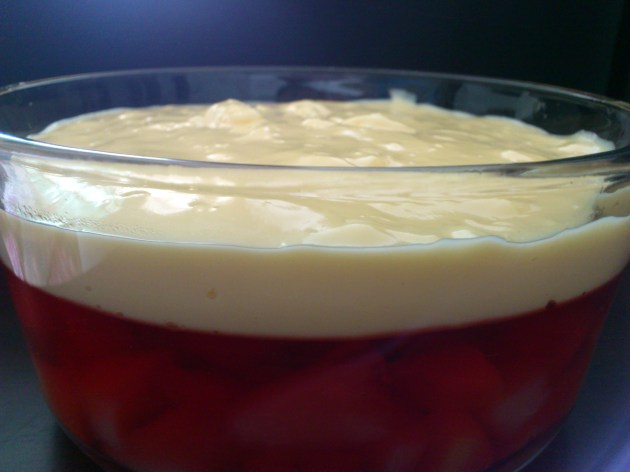
Rotli Nu Chaas Valu Shaak (Leftover Rotis in Spiced Buttermilk)

Left Over Roti Snack

Rotli Nu Chaas Valu Shaak


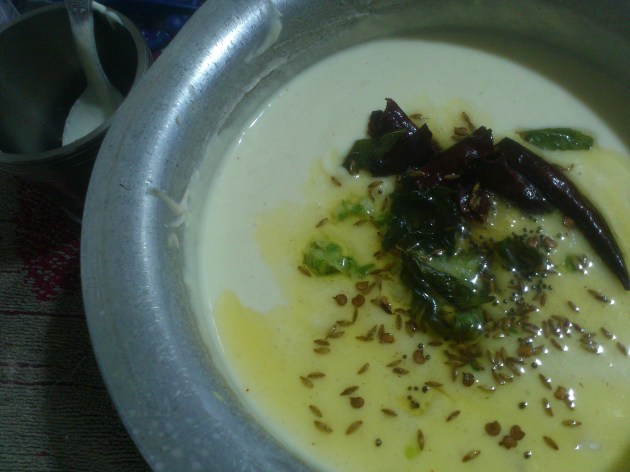
Rotli nu chaas valu shaak is leftover rotis cooked in yogurt and few spices. It is like a quick and easier form of dal dhokli. Some days are just lazy when you don’t feel like cooking but you still want to eat something healthy and tasty. In a place like Singapore where vegetarian food is not as easily available as in India, home food always tastes better and is sometimes the better or only option. This is one of the quick fixes when everyone is tired or there are leftover rotis at home. There is a similar dish that is made at my place. I will post that soon. This is one of the best dishes that my mom in law prepares.
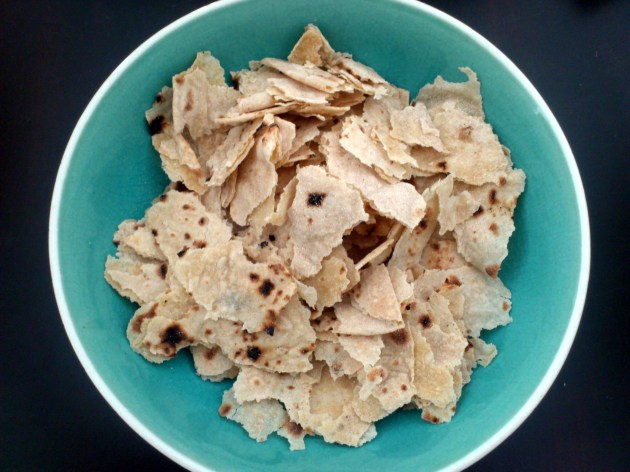
Somehow all the moms have this trick of transforming simple things into yummy delightful meals. They do not even use fancy ingredients. Just a few basic spices and you endup raving about the same leftover food which you would have had made faces at a while ago.

This tastes even better if the butter milk is lightly sour. Make sure to keep stirring the buttermilk till it boils. Since I was using the store bought thick curd for buttermilk, I added more water, if you are using homemade curd you can reduce the quantity of water. This is healthy, quick, and delicious and can be enjoyed as lunch or dinner. The only thing you need to keep in mind is that you cannot prepare this in advance. It tends to get lumpy as it gets cold. This one pot meal is best enjoyed hot.

Rotli Nu Chaas Valu Shaak (Leftover Rotis in Spiced Buttermilk)

Ingredients

Serves 2

  • 5 whole-wheat rotis
  • 1 tbsp oil
  • ¼ tsp mustard seeds
  • 6-8 curry leaves
  • 1 green chilli slit
  • 2 cloves of garlic chopped
  • 1 dry red chilli
  • 1 ½ cups buttermilk (I used ½ cup curd and 1 cup water)
  • ¼ tsp turmeric powder
  • 1 tsp red chilli powder
  • 1 tbsp fresh chopped coriander

Recipe

Tear the rotis into small and medium bits and keep aside.

Whisk together the buttermilk, turmeric, red chilli powder, and salt. Keep aside.

Heat oil in a deep pan or kadhai. Add mustard seeds. Once the seeds pop, add curry leaves and green chilli. Add chopped garlic and dry red chilli and cook for 30 seconds to one minute. Add the buttermilk and bring to boil while stirring. Add the roti pieces and reduce the flame to minimum. Check for salt and spice and make adjustments if required. Cook for 5-6 minutes, till the yogurt gets thick and rotis get soft.

Do not stir a lot after you have added the rotis. Just a mix or two should be good. Add chopped coriander and serve immediately.

Pita Pockets with Stir-fried Vegetables

Pita Pockets with Stir-fried Vegetables

Pita pockets filled with stir fried veggies. This is one of my experiments gone right and my favourite food for make ahead meals. This healthy meals is an excellent combo of multi grain pita pockets filled with fresh stir fried vegetables with a hint of pesto. These pita pockets are quite filling and can be had as a meal itself.

I put all my favourite veggies in this one. You can choose the ones you like. It helps to steam the carrots, beans, and broccoli ahead. Cook the filling on high heat throughout and it will be a good mix of crunchy bell peppers and soft steamed veggies. You can also experiment with the sauce. I like the pesto flavour for this one but the Chinese flavour (chilli, soya, and vinegar) works great too. This filling works well with a wrap or bread too.

Pita pockets are a part of Lebanese food but they are very versatile and can be enjoyed with variety of fillings. I prefer the multigrain pita pockets but you can go for the whole wheat or plain pita pockets too. You can toast the pita bread ahead and warm them up just before eating.

This is one of my best bets for healthy make ahead meals and can be had as dinner combined with a dip and may be some hot soup.

Pita Pockets with Stir-fried Vegetables

Ingredients

Makes 10 Pita Pockets

  • 1 tbsp + 1 tsp olive oil
  • 1 tbsp ginger finely chopped
  • ½ tsp oregano
  • 1 tsp chilli flakes
  • 2 tbsp basil chopped
  • 1 tbsp garlic chopped
  • ¼ cup onion cut lengthwise
  • 1 cup bell peppers julienned
  • 2/3 cup broccoli steamed
  • ½ cup green beans cut lengthwise and steamed
  • ½ cup carrots cut lengthwise and steamed
  • ½ tsp white pepper powder
  • 1 ½ – 2 slices of cheese
  • Salt to taste
  • 5 pita breads

Recipe

Grind the basil and garlic coarsely with 1 tsp olive oil. Keep it aside. Heat 1 tbsp olive oil in a non-stick pan. Add ginger and sauté for 1 minute. Add oregano, chilli flakes, and onions and sauté. Add bell peppers and sauté for 1-2 minutes. Add green beans, carrots, and broccoli and sauté. Add the salt, pepper, and the basil garlic paste. Mix well and cook for 1-2 minutes. Add the cheese slices and switch off the gas. Once the cheese melts, mix the filling well and keep aside.

Heat a tava or griddle and lightly toast the pita breads on both sides. Once the bread is lightly toasted from both sides, cut the pita bread into two. You should have two pita pockets now. Divide the filling into 10 portions. Fill one portion in each pita pocket and serve warm. You can serve it with tomato ketchup or a honey mustard dip too.

Kachori (Rajasthani Savory Snack)

Kachori (Rajasthani Savory Snack)

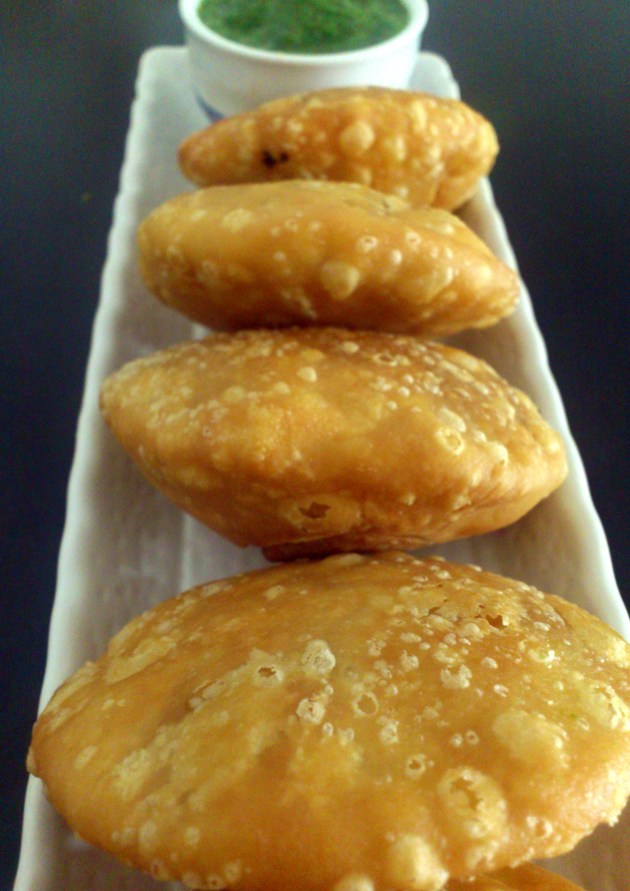
Kachori is an Indian snack similar to samosa (its more famous cousin) but yet different. It is a flaky pastry filled with different spices and lentils. Just like other famous snacks, there are lots of varieties of kachoris in different parts of India. This one is my grandmother’s recipe aka Bhoji wali Kachori and one of her most famous ones. Everyone in our family loves this snack made by my grandmother. I love this kachori so much that I do not eat the kachoris available outside. For me THIS is kachori 🙂

The filling made with besan is what makes this kachori different from the other kachoris. Mostly kachoris are filled with different lentils but this one has no lentils. Roasted gram flour and spices complement the flaky crust perfectly.

Only tricky part with this filling/masala is to roast the gram flour(besan) well. If the besan is not roasted properly, the kachoris will not be fluffy. If it is roasted too much, the taste is ruined. It is very important to keep mixing the besan continuously while you roast it. Our house lives on no onion garlic diet most of the times so no onion in this one. You can add onions to this masala if you like.

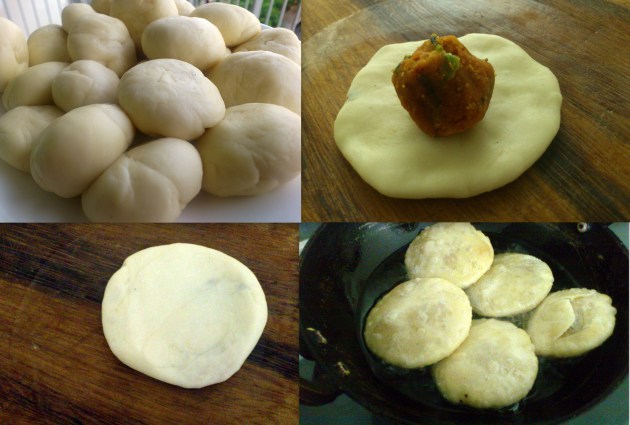
The dough for kachori should not be too firm. Soft and pliable dough makes better kachoris. Another trick that I learnt from my grandmother is to roll the kachoris twice (only twice) after you have filled the masala and shaped the kachori. This distributes the filling evenly and each and every kachori puffs when you do this.

These kachoris can be stored up to a week in airtight container. Eat them plain or with chutney of your choice or make a chat by adding yogurt and different chutneys.

Kachori (Rajasthani Savory Snack)

Ingredients

Makes 20 kachoris

For Dough

  • 2 cups all purpose flour (maida)
  • 3 tbsp oil
  • ½ tsp salt

For Masala

  • 2/3 cup gram flour (besan)
  • ¼ cup oil
  • 1 tsp red chilli powder
  • ¼ tsp turmeric powder
  • ¼ tsp citric acid (nimbu sat)
  • 4 tbsp chopped coriander
  • 4-5 green chillies coarsely ground
  • ½ tsp garam masala
  • 1 tsp salt
  • Oil for frying

Recipe

For Dough

Mix the all purpose flour, salt, and oil. Add little water at a time and make soft dough. Cover and keep aside for 15 minutes.

For the Masala

Put oil and besan in a thick bottomed pan/non stick pan and mix well. Do not heat the oil before adding the besan. This will help you avoid lumps in the masala. Now switch on the flame and roast the besan and oil mixture for 3-4 minutes on low flame. Roasting time varies according to the heat. The color of the mixture should be light brown. Besan can burn quickly so make sure to keep mixing it nonstop. Switch off the flame. Add green chillies, coriander, red chilli powder, turmeric, citric acid, garam masala, salt, and 1 tbsp water. Mix well. Keep aide to cool.

Divide the dough and masala into 20 equal portions. Take one portion of the dough and stretch it (appx 3 inches) using your fingers. Put one portion of masala in the center and seal the edges and flatten it very lightly.  Roll the kachori twice using a rolling pin. Follow the same process for rest of the kachoris.

Warm oil in a kadhai/thick bottomed pan. Oil should be just warm and not hot when you put the kachoris in for frying. Fry on low flame till the kachoris are golden brown. Serve hot or at room temperature.


Vegetable Cutlet

Vegetable Cutlet

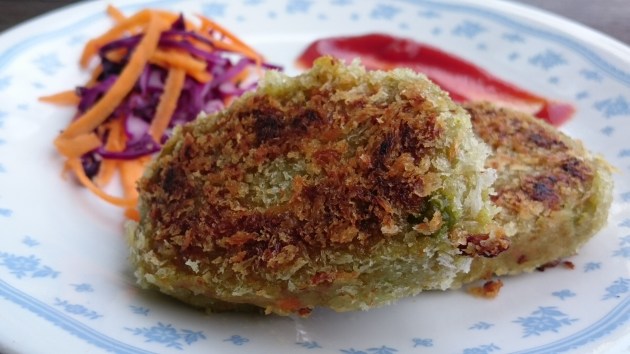
Vegetable cutlet is a popular south Indian snack made with boiled vegetables and spices. This is a slightly different version of the vegetable cutlets you get at the south Indian restaurants. It is a deep fried snack but I shallow fry it on a non stick pan to make it less oily. You can have it as an appetizer or a tea time snack.

These cutlets can be prepared ahead of time and fried just before eating. You can freeze them and use them when required. The pungent and spicy taste of fennel seeds, garlic, and green chillies is the USP of these cutlets.

Vegetable Cutlet

If you find the cutlets dough watery, you can add ¼ cup of bread crumbs. This will soak the water and also add texture and flavor to the cutlets. I used the Japanese panko bread crumbs. You can use any bread crumbs. You can also use semolina (rava) to coat the cutlets. It adds crunch to the cutlets. You can deep or shallow fry these cutlets depending on your taste.

These cutlets should be served hot with fresh salad and tomato ketchup. Vegetable cutlets also go well with hot tea.

Vegetable Cutlet

Ingredients

Makes 16 cutlets

  • 3 potatoes chopped
  • 2 carrots chopped
  • 8-10 beans chopped
  • ¼ cup green peas
  • ¼ cup gram flour (besan)
  • ¼ cup rice flour
  • ¼ cup bread crumbs
  • 5-6 green chillies
  • 5-6 cloves of garlic
  • Bunch of coriander (approximately ½ cup)
  • 1 tbsp fennel seeds (saunf)
  • ¼ cup all purpose flour (maida)
  • ½ cup water
  • cups of bread crumbs or rava to coat the cutlets
  • oil to fry the cutlets

Recipe

Grind the green chillies, garlic, coriander and fennel seeds to a paste and keep aside.

Pressure cook the potatoes, carrots, beans and green peas till they are soft. Once cooled, squeeze out all the water and mash the vegetables. Put the vegetables in a mixing bowl. Add the gram flour, rice flour, bread crumbs, ground paste, and salt. Mix well. Adjust the seasoning at this stage. Roll into sixteen oval cutlets.

Make a thin watery paste of all purpose flour and water. Dip the cutlet in this water and roll it in rava or bread crumbs. Refrigerate the rolled cutlets for an hour. Deep fry in hot oil or shallow fry on a non stick pan using little oil. Serve hot.

Khatiya Dhokla (Steamed Rice and Lentil Snack)

Khatiya Dhokla (Steamed Rice and Lentil Snack)

Dhokla is to Gujaratis what pizza is to Italians. It is made in almost all the Gujarati families. Khaman dhokla the fluffy commercial version is more famous around the world but this healthy and nutritious delight has its own fan following.

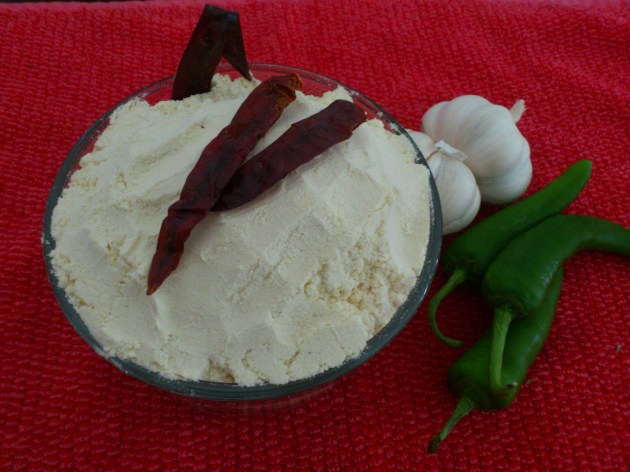
Most of the families prepare the dhokla flour in advance and use it as required. This flour can be stored up to three months in refrigerator.

The dhokla flour needs to be mixed with sour curd and left over night to ferment. My mother in law uses buttermilk to make the batter. It adds to the softness and tangy taste of the dhokla. Just before steaming the dhokla a tempering (tadka) is added to enhance the flavour and add spice to the dhokla.

There are two ways to enjoy dhoklas. One is to add tempering (the Gujarati way) and eat it with tea and second one is the healthier option to just cut it into piece and eat it with garlic chutney like I do.

Khatiya Dhokla (Steamed Rice and Lentil Snack)

Ingredients

  • 2 ½ cups dhokla flour
  • 3 cups butter milk
  • 1 ½ tsp salt
  • 2 pinches soda
  • Paste of 2 pods of garlic and 1 green chilli
  • 1 tbsp oil
  • ¼ tsp cumin seeds
  • ¼ tsp mustard seeds
  • 2-3 dry red chillies broken into pieces
  • 1 tsp red chilli powder for sprinkling
  • 6-8 curry leaves

For Tempering

  • 2 tbsp oil
  • ½ tsp cumin seeds
  • ½ tsp mustard seeds
  • 2 dry red chillies
  • 7-8 curry leaves
  • 14 tsp turmeric
  • ¼ tsp red chilli powder
  • 2 tbsp chopped coriander leaves

Make a batter with dhokla flour, butter milk, and salt and keep it in a warm place overnight to ferment. The batter is ready when it is fermented and you get a sour smell from it. Add garlic and green chilli paste and soda. Heat oil and add mustard seeds, cumin seeds, curry leaves, and dry red chillies. Once the seeds pop, pour this mixture over the dhokla batter and cover it for few seconds. Mix well and check for salt.

Grease a thali (plate with high edges) and pour 1/3 of batter. Sprinkle few pinches of red chilli powder and steam it in a steamer for 8-10 minutes or till the dhoklas are cooked. The clean skewer rule of cake works for dhokla too. If the skewer comes out clean, dhokla is done. Let it cool slightly and cut into diamond shaped pieces.

Repeat the above step to for the remaining batter. You can make three batches from the batter.

Garnish with chopped fresh coriander and serve the dhoklas hot with tea and garlic chutney. This is the healthier version of dhoklas.

Another way to eat this is by tempering the dhoklas.

Heat 2tbsp oil in a kadhai. Add cumin seeds, mustard seeds, dry red chillies, and curry leaves. Once the seeds pop add turmeric and red chilli powder. Mix and immediately add dhoklas and mix well. Cook for 3-4 mins sautéing in between to you see the dhoklas getting slightly browned or crispy on the edges. Garnish with fresh chopped coriander and serve hot with tea and garlic chutney.


Onion Curry (Pyaaz ki Sabji)

Onion Curry (Pyaaz ki Sabji)

Statutory Warning: If you live in India and buy onion with your yearly bonus these days, wait for the prices to come down before you try this curry.

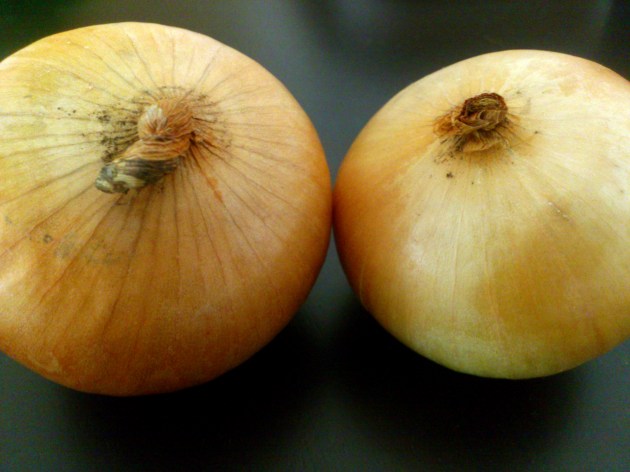
Once upon a time onions were banned in my grandmother’s kitchen. They slowly made a guest appearance when my mom took over the kitchen. It was a once in a while affair then. Weekend snacks, or special occasions or whenever my aunt visited us from Solapur. As with any other thing that you are not supposed to eat or which is not cooked regularly, onion too was my favorite especially the pyaaz ki pakodi (onion fritters). Things slowly changed, and onion is a permanent resident in our kitchen now. Though used sparingly, the ban is not there anymore.

One of my aunts lives in Solapur. Whenever she used to visit us during vacations, it would be a treat for us as she would prepare all the new recipes she learnt at her in laws place. Most of the dishes she prepared included onions. One such curry was this quick and easy onion curry. Only thing she insisted always (and still does) is to have the hara masala (fresh coriander, curry leaves, ginger and green chillies) for cooking. These fresh ingredients add that special flavor to the curry.

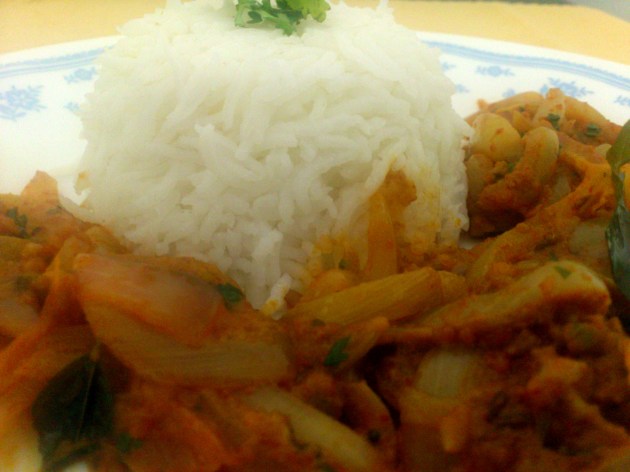
This curry makes a perfect yummy meal for the times when you don’t want to spend lot of time in kitchen and still want yummy food. The coarsely ground groundnuts add crunch to the curry. This curry, tastes best with hot rice. You can eat it with roti too.

Onion Curry (Pyaaz ki Sabji)

Ingredients

Serves 2-3

  • 3 onions chopped (preferably juliennes)
  • 3 tbsp oil
  • ¼ tsp cumin seeds (Jeera)
  • ¼ tsp mustard seeds (rai)
  • 8-10 curry leaves
  • 2 green chillies slit
  • 2 inch piece of ginger grated
  • ¼ tsp asafoetida (heeng)
  • 2 tsp red chilli powder
  • ¼ tsp turmeric powder (haldi)
  • 2 tsp coriander powder (dhaniya powder)
  • ¼ tsp garam masala
  • 3 tbsp groundnuts roasted and coarsely ground
  • 1 ½ tsp lime juice
  • 2 tbsp fresh coriander (chopped)
  • ¼ cup water
  • Salt to taste

Recipe

Heat oil in a kadhai or a thick bottomed pan. Add cumin seeds and mustard seeds. Once the seeds splutter, add grated ginger, green chillies, and curry leaves. Tear and crush the curry leaves a little to get more flavor.

Add half of the chopped coriander and sauté. Add chopped onions and salt. Mix well and cook for 2-3 mins or till the onions are translucent. Add, turmeric, red chilli powder, coriander powder, asafoetida, groundnuts, and garam masala. Add little water (approximately 1/4th cup) and mix well. Cook on low flame for 5-6 minutes.

Add lime juice and chopped coriander. Mix well and serve with hot rice.

Vegetarian Dumplings

Vegetarian Dumplings

When in Rome, do as Roman do and when in Singapore celebrate the Chinese New Year with dumplings and oranges. This is our first lunar new year in Singapore and it’s been fun so far. Everything is decorated in red and orange. Four days of holidays and family reunions everywhere you see. Unlike the English New Year, Chinese New Year involves lot of preparation, celebrations (15 days), reunion, and traditions. Market is filled with oranges, pomegranates and tens and hundreds of varieties of candies and snacks. People exchange Oranges and Tangerines. Oranges symbolize good luck and Tangerines symbolize wealth. Families get together and cook dumplings with every member taking part in the process. I am not a big fan of Chinese food but I found the idea of dumplings very interesting. Especially the way they are shaped.

I wanted to try making a vegetarian version of the dumplings (also known as dimsums or pot stickers). Boiled Dumplings are called Jiaozi. Pot stickers are famous in the west and are fried in a small amount of oil before steaming them slightly.

You can practically fill the dumplings with anything you like. I have used carrots, cabbage, beans, and paneer. Baby corn, Mushrooms, tofu are good options to try.

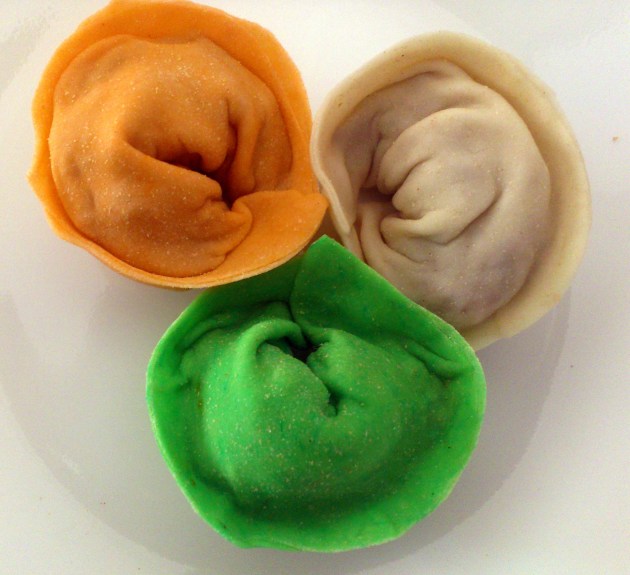
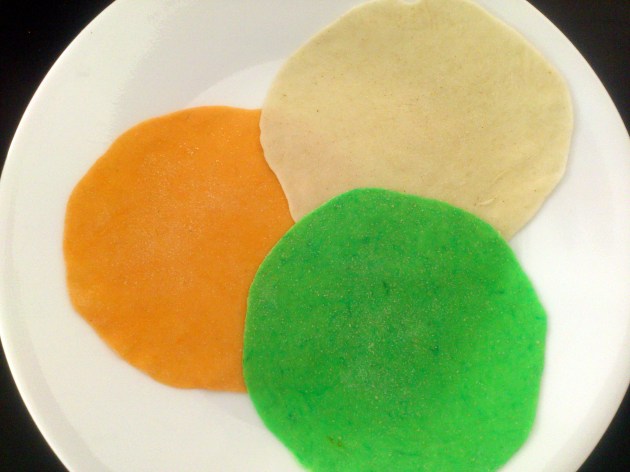
Shaping the dumplings is not as tough as it looks. The trick is to roll out the dough thin on edges and slightly thicker at the center. You can buy the ready made dumpling sheets too. You can even make colorful dumplings by adding natural colors. Add spinach puree to the dough for green and carrot puree for orange color.

Dumplings are always served with a dipping sauce. I wanted to make a spicy sauce which could complement the not so spicy dumplings and wanted to stay away from the oily dips. You can try the traditional soy sauce based dips too which are not very spicy. Dumplings are usually served as a starter or side dish. Happy New Year!

Vegetarian Dumplings

Ingredients

Makes 16-18 dumplings

For the Dough

  • ½ cup all-purpose flour (Maida)
  • 2-3 pinches of salt
  • Water to knead the dough

For the Filling

  • 1 ½ tbsp. chopped ginger
  • 2 tbsp sesame oil
  • 1 small onion finely chopped (use spring onion if available)
  • ½ cup mixed vegetables (cabbage, carrot, beans)
  • 5 tbsp paneer crumbled
  • 1 tbsp finely chopped coriander
  • 1 tbsp corn flour diluted in little water
  • ½ tbsp. soy sauce
  • Salt and pepper to taste

For the Dip

  • 5 fresh red chillies
  • 5-6 garlic cloves chopped
  • ½ tomato chopped
  • 5 tsp rice vinegar
  • 3 tsp brown sugar
  • Salt

Recipe

Add salt to the all-purpose flour and knead into a soft and smooth dough using enough water. Cover and keep aside for 10-15 minutes.

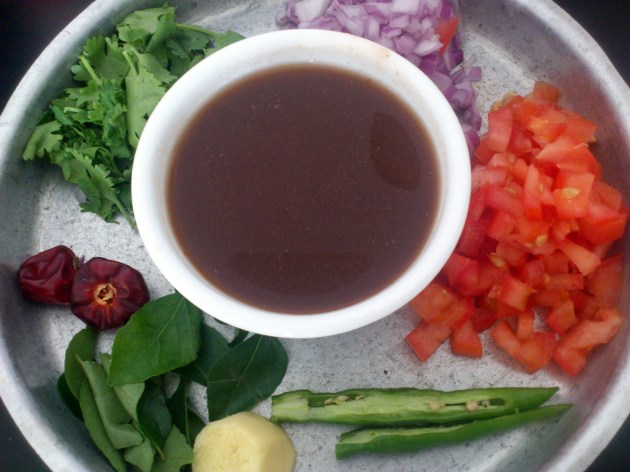
To make the dipping sauce, combine all the ingredients and blend them in a mixer till smooth.

In a wok or kadhai, heat the sesame oil over medium heat. Add the ginger and stir-fry for about 30 seconds, until aromatic. Add the onions and cook for 1-2 minutes. Add the chopped vegetables, paneer, salt, pepper, soy sauce, and coriander. Add little water and stir to combine. Cover and cook for 3-4 minutes or until the vegetables and soft. Stir the corn flour mixture and add it to the filling. When the mixture thickens, turn off the heat. Transfer to a bowl and set aside to cool completely before assembling the dumplings. You should have about one cup of filling.

Divide the dough into equal portions and roll out thin sheets around 3 to 31/2 inches.

To make the dumplings, hold a sheet in a slightly cupped hand. Scoop up about 1 tablespoon of filling with a dinner knife, or fork and position it slightly off-center toward the upper half of the wrapper, pressing and shaping it into a flat mound and keeping about 1/2 to 3/4 inch of wrapper clear on all sides. Then fold, pleat, and press to enclose the filling to create a half-moon. You can steam them as is or try different shapes by adding pleats, joining the ends of the crescent etc.

Place the dumplings in the steamer at least an inch away from the edges. Steam for 8-9 minutes until slightly puffed and translucent.

If you want to cook them like pot stickers, heat little oil (appx 1tsp) in a pan. Add the dumplings and cook till they are little crispy. Add little dip and some water and cover immediately. Cook for 2-3 minutes. Remove the cover and toss to coat the dumplings with the flavor sauce. Cook little more till the sauce dries.

Serve immediately with the dipping sauce.


Sambar

Sambar

Sambar rice was the fixed Sunday lunch menu for us in Bangalore. This spicy and sour south Indian cousin of dal is made with lentils, vegetables, spices, and tamarind pulp. The taste of sambhar varies from state to state or for that matter family to family. For me and my family, my aunt makes the best sambar in the world. So much so that, every time we visit her or any get together at her place, we make her cook sambar rice always. This has been going on for years now. This recipe is my version of sambar.

Pigeon peas and tamarind paste are the base for sambar and rest of the ingredients vary from family to family. My siblings and I are very picky with vegetables and this particular recipe is my invention of staying away from the vegetables my mom puts in the sambar. She adds okra, carrot, beans, bottle gourd, and even kachri which we all kids religiously fish out and make a mountain of it in the plate 🙂 By the way, I too add carrots and beans to sambar occasionally.
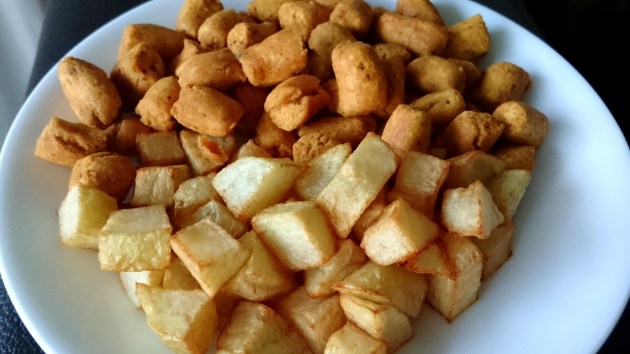
I prefer this simple and no frills sambar for my Sunday lunch or with Idli, dosa or vada. In Bangalore, or I can say whole south India, people eat sambar with almost any savoury snack be it Pongal, Upma, etc. The guys here at Ananda Bhavan and Komalas in Singapore serve sambar even with Biryani.

I prefer sambar with hot rice and crunchy mini poppadums. It makes my Sunday lunch extra special and I get to sleep again after over eating the heavy sambar rice meal.

Sambar

Ingredients

  • ½ cup yellow pigeon peas (toor/arhar dal)
  • 2 tbsp oil
  • ¼ tsp mustard seeds
  • 2 inch piece of ginger grated
  • 8-10 curry leaves (kadipatta)
  • 1 green chilli slit
  • 2 dry red chillies
  • ¼ tsp asafoetida (heeng)
  • 1 onion chopped
  • 1 tomato chopped
  • 1 tsp red chilli powder
  • ½ tsp turmeric powder
  • 2 tbsp sambhar powder (I prefer 777 madras sambhar powder)
  • ½ cup tamarind water*
  • ¼ tsp sugar
  • 1 cup water
  • Salt to taste

Optional

  • ¼ cup boiled/steamed mixed vegetables (carrots, beans, drumsticks)

Recipe

Wash and soak the dal in water for 15-20 minutes. Drain the water. Add dal, 1 ½ cup water, and little salt in a pressure cooker and cook for 3-4 whistles or till the dal is completely cooked. Mash the dal using a blender or whisk and keep aside.

Heat oil in a kadai or thick bottomed deep pan. Add mustard seeds. Once the seeds splutter, add the grated ginger and sauté. Add the curry leaf, green chilli, dry red chilli, and asafoetida. Cook for 20-30 seconds. Add chopped onions and cook for 1-2 minutes or till the onions are translucent. Add tomatoes and salt. Cook for 3-4 minutes or till the tomatoes are mashed when you press lightly with the back of a spoon. Add the steamed vegetables at this stage if you are adding vegetables to the sambhar. Add red chilli powder, turmeric, and sambhar powder. Mix well and cook for 4-5 minutes mixing in between. If the paste is too dry, add 1-2 table spoon of water. Add water and tamarind water and bring to boil. Add the mashed dal and sugar. Let the sambhar cook on slow flame for 3-5 minutes. Add chopped coriander and serve with hot rice.

*Be careful with the amount of tamarind water you add. The amount depends on the sourness of the tamarind you use. If you are using the store bought tamarind paste, it is a good idea to dilute it and add half of the tamarind water first and then add more as per taste.

Fruit Trifle

Fruit Trifle

Trifle is an English dessert made of layers of fruits, jelly, cake, custard, and whipped cream. This one of my most asked for recipe by my family and friends. I tasted this dessert for the first time in London at my husband’s cousin’s place. It was love at first bite 🙂 . This recipe does not include the sponge cake. This looks difficult but with a little preparation it is a very easy dessert to prepare.

Use fresh fruits whenever possible but the tinned fruits work well too.  I like to use apple, pear, and peach for the bottom layer and cherries, raspberries, and strawberries for the top layer.

You can choose any flavor of jelly but I like raspberry or strawberry jelly with this dessert. Jelly can be set at room temperature. But if you are in a hurry, you can refrigerate the Trifle to set the jelly faster. Make sure the jelly is set before adding the next layer.

Preparing thick, creamy, and lump free custard can be the only tricky part in this recipe. You need to add or reduce the custard powder based on the quality of custard powder you use. I use vanilla flavored custard powder for this dessert. Once you take the custard off from the gas, and it has cooled down a bit, you can blend the custard using a blender to make it smooth and lump free (be careful while blending as the custard might be hot still). Cover the custard with a cling film to avoid getting a dry layer on top of the custard while cooling it.

Whipping cream in India, especially during summers is hoping for magic. After trying innumerable times and failing almost every time, I rely on the ready to whip cream powder or the ready to serve whipped cream for the final layer. When using the ready to serve whipped cream, add it just before you serve the Trifle.

This dessert tastes best when served/eaten chilled. You can set the layers in individual serving sized ramekins and add whipped cream and top it with fruits just before serving.

Fruit Trifle

Ingredients

Makes one 9” bowl of Trifle

Layer 1

  • 250 gms/ 1 cup chopped Fruits (peach, pear, pineapple, cherry, apple)

Layer 2

  • Jelly 40gms/ 2 ½ tbsp
  • 200 ml water

Layer 3

  • Custard vanilla flavor
  • 235 ml/1 cup + 2 tbsp milk
  • 2 tbsp custard powder
  • 1 ½ tbsp sugar

Layer 4

  • Fresh cream (as much as you like)
  • Strawberries/Raspberries/Cherries

Recipe

Mix the custard powder in 2 tbsp milk. Bring milk to boil in a non stick pan. Add sugar and mix well. Add the custard powder and milk paste. Mix well. Keep mixing to make sure that the custard does not stick. Once the custard thickens, switch off the gas and take the pan off the gas. Keep aside to cool. Cover the custard with a cling film to avoid getting a dry layer on top.

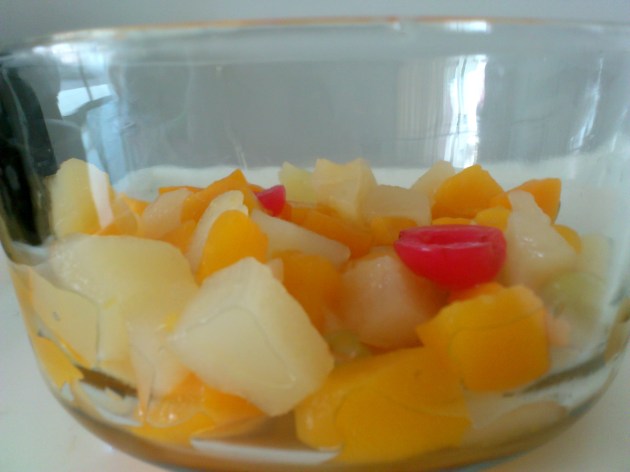
Arrange the fruits in a glass bowl. This is the bowl in which you will be adding all the layers.

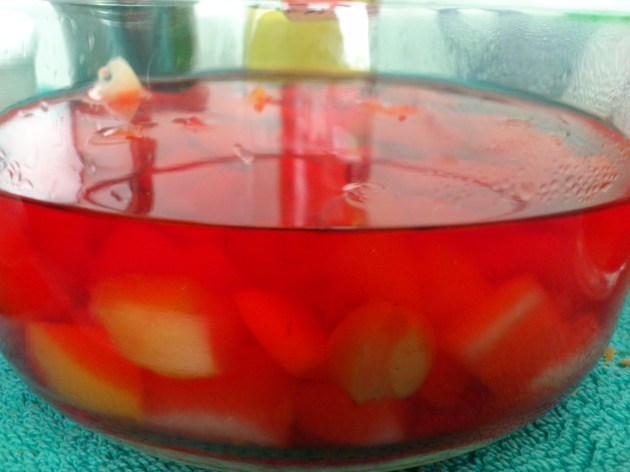
Take jelly in a dry bowl. Pour boiling water over the jelly crystals and mix well. Once this mixture is slightly cooler, pour this over the fruits and keep it aside to set. Jelly can be set at room temperature too. It takes 20-25 minutes to set.

Once the jelly is set, pour the prepared and cooled custard and spread it evenly. Keep it in the fridge for 40-60 minutes to set.

Whip the cream with sugar as per taste. You can also use the ready whipped cream or ready to whip cream powder.

Add a layer of cream and chill for 2-3 hours. If you are using the ready to use whipped cream, add it just before serving. Top the final layer with fresh berries of your choice. To serve, cut through the layers just like you would cut a cake. Top it with fresh fruits or more whipped cream if you like.


Gatte ke Chawal

Gatte ke Chawal

Gatte ke chawal is my family’s signature monsoon dish. Gatte is type of boiled or fried gram flour dumplings used in Rajasthani cuisine. This delicious rice cooked with fried gatte, potatoes, and basic spices gets ready in a jiffy and tastes best when it is piping hot. This is one of the very few dishes which my whole family enjoys without any complains.

Gatte

You can add cashew nuts, green peas, boiled Bengal gram(kala chana) to this rice. Ours has been a no onion, no garlic home for a very long time. Most of the dishes are still made the same way without onion or garlic. You can add ginger garlic paste, chopped onions, and a dash of lime to add more taste a flavor to this dish.

Gatte ke Chawal

This rice tastes best when it is eaten hot as soon as it is made. It does not need any accompaniment but goes well with plain yogurt.

Gatte ke Chawal

Ingredients           

  • 1 cup rice
  • 2 cups water
  • 1 small potato peeled and cut into small cubes
  • 2 tbsp oil
  • ¼ tsp cumin seeds (jeera)
  • 2 dry red chillies
  • 10-12 curry leaves
  • 2 tbsp ground nuts
  • 2 bay leaves (tej patta)
  • 5-6 cloves (laung)
  • ¼ tsp turmeric
  • 2-3 tbsp chopped fresh coriander
  • Salt to taste

For Gatte

  • ½ cup gram flour (besan)
  • 2-3 pinches turmeric
  • ½ tsp red chilli powder
  • ¼ tsp carom seeds (ajwain)
  • 1 pinch soda
  • Salt to taste
  • Oil to fry

Recipe

For Gatte

Mix all the ingredients of gatte. Add 1 tbsp water at a time and mix till everything comes together to form a stiff dough. Divide the dough into equal portions and roll them into cylindrical rolls using your palms. Cut these rolls into approximate 1 inch pieces. Boil plenty of water in a pan and cook these gattas in boiling water for 7-8 minutes. Drain and keep aside. Heat oil and fry the gattas till they are light brown. Drain and keep aside. In the same oil, fry the cubed potatoes till they are lightly browned and keep aside.

For rice

Wash and soak the rice in 2-3 cups of water for 10 minutes.

Heat oil in a pressure cooker.  Add cumin seeds, cloves, and bay leaves. Once the seeds pop, add curry leaves, green chillies and dry red chillies. Sauté for few seconds. Add groundnuts and cook for 20-30 seconds. Add the fried gatte and potatoes. Drain water from the rice and add rice to the cooker. Mix well making sure not to break the rice. Saute for 45 seconds to a minute. Add 2 cups of water, turmeric, and salt. Mix well and close the pressure cooker and cook for 2 whistles or till the rice is done (the time differs from cooker to cooker). Once the pressure is released, open the lid, add chopped coriander and mix well. Serve hot.