Pav Bhaji (Indian Street Food)

 “Pav Bhaji (Indian Street Food)” is locked Pav Bhaji (Indian Street Food)

Pav bhaji is one of the most famous street foods from India. It is a snack made with mixed vegetables mashed and cooked in spices and butter. It is served with a bread called pav (similar to hamburger buns). While it is made with fresh vegetables, the amount of butter added to it makes it an unhealthy snack. This recipe is my mom’s pav bhaji recipe which she makes without butter, onion, and garlic. For years, this was the only pav bhaji I knew. It was kind of fixed menu for our birthday parties. I have made slight change to the recipe and added onions.
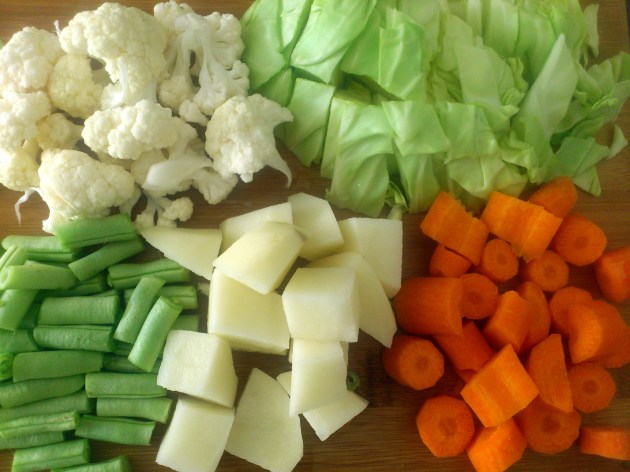
Whenever my mom is left with a less quantity of different vegetables, she just boils them all and makes pav bhaji for us. This was her idea of not wasting the vegetables and giving us something healthy and tasty to eat. I remember her using even bottle gourd (lauki) in the bhaji. I love the flavour capsicum and peas add to this dish. You can add fresh red chilli paste and garlic to enhance the flavor. My mom makes it in oil and I made it with olive oil last time and did not miss the butter at all in this yummy dish. For the butter lovers in my family, I just top the individual serving of bhaji with a generous dollop of butter.  

The interesting thing about bhaji is that it tastes best the next day. It is a perfect dish to make ahead for any party. You can even freeze it and heat it for a quick snack. At my place it is more of dinner than a snack and my siblings and I enjoy this dish a lot. We eat it with naan, we spread it on dosa, and we even use it as a grilled sandwich filling. The latest is Manchuria pav. Shall post the recipe soon.
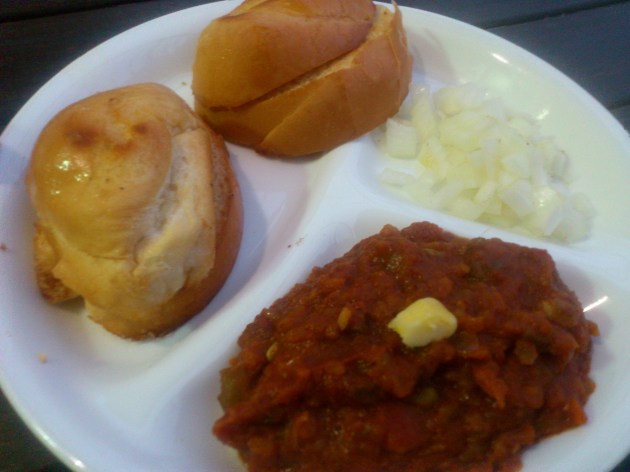
Pav Bhaji (Indian Street Food)


Ingredients

Serves 3-4

For Pav

  • 10 pav or burger buns
  • 1-2 tbsp butter/ghee/oil
  • 1 tsp pav bhaji masala
  • ¼ tsp red chilli powder
  • ¼ tsp turmeric powder
  • Salt to taste

For Bhaji

  • 4 tbsp oil
  • 1 tbsp grated ginger
  • 1 green chilli chopped
  • 2 tsp red chilli powder
  • ¼ cup finely chopped onion
  • ½ cup finely chopped capsicum
  • 2/3 cup chopped tomatoes
  • ¼ cup peas
  • 2 tbsp tomato paste
  • 2 tbsp pav bhaji masala
  • 1 cup chopped potatoes
  • 1 cup cabbage
  • ½ cup beans
  • ½ cup carrot
  • ¼ cup cauliflower florets (optional)

Recipe

Boil or pressure cook potatoes, cabbage, cauliflower, beans, and carrots. Drain excess water (Do not throw the water). Keep aside. Boil peas and keep aside.

Heat oil. Add green chillies and ginger. Cook for 30-45 seconds. Add onions and sauté. Cook for 1-2 minutes or till onions are translucent. Add capsicum and cook for 1-2 minutes. Add tomatoes and cook for 3-5 minutes till oil separates. Add tomato paste, salt, red chilli powder, pav bhaji masala and ¼ cup of water reserved from boiled vegetables. Cook for 5-7 minutes mixing in between till oil separates. Add the boiled vegetables and peas. Mash the bhaji well using a potato masher. Add more of reserved water from boiled vegetables as per desired consistency (1/2 cup should be good). Let it cook on slow flame for 10-5 minutes mixing in between. Serve with hot pav/dinner rolls and chopped onions with a wedge of lime.

For Pav

There are two ways to serve/eat pav with bhaji. One is, Slice the pav/dinner roll into two pieces, smear with generous amount of butter and warm or lightly toast on a hot griddle.

Another way is to cut each pav or dinner roll into 4-6 bite sized pieces. Sprinkle the pav bhaji masala, turmeric powder, red chilli powder, and salt on the pav pieces. Heat oil or butter in a thick bottomed deep skillet or a kadhai. Add the pav pieces and mix well. Cook for 1-2 minutes mixing very frequently. Serve with hot bhaji, chopped onions, and a wedge of lime.

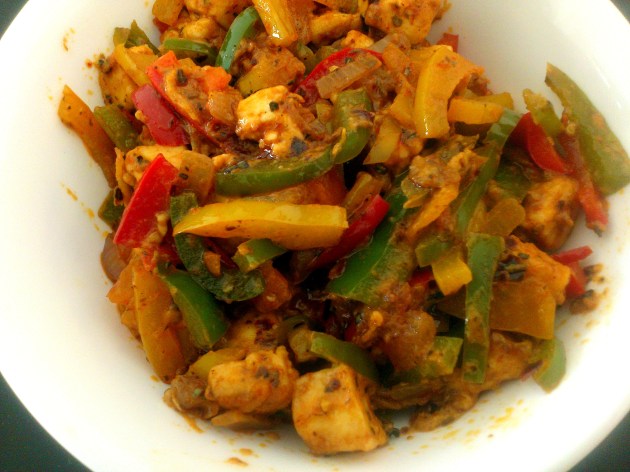
Paneer Wraps (Cottage Cheese Wraps)

Paneer Wraps (Cottage Cheese Wraps)

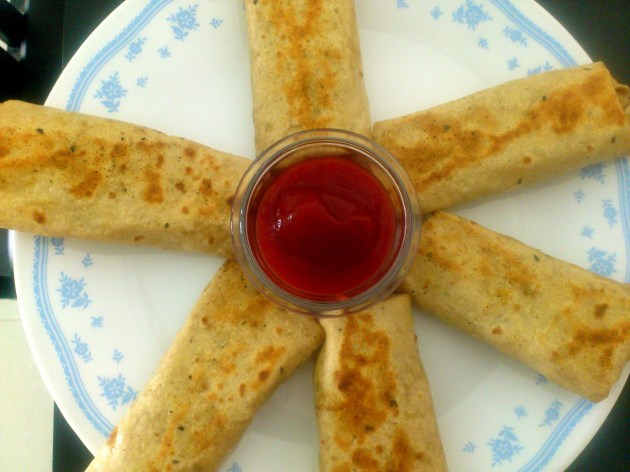
Paneer roll or Paneer wrap is a whole wheat wrap filled with paneer (Indian cottage cheese) and capsicum filling. Call it a roll or a wrap or a wrap and roll, for me it is a twist to my mom’s way of making us eat the roti sabji. She would just roll the potato curry in the roti and present it to us as a new snack she made for us and voila it would be finished in no time. I make this whenever I want to eat something “different” for dinner but still want to keep it healthy. This snack reminds me of my childhood and all the experiments I have done in the name of creative fillings for these wraps.
I did move ahead of the potato curry and roti combo and experimented with lots and lots of combinations of fillings. I added herbs to the roti dough to add more flavour. My love for adding herbs to food makes this snack stand out from the regular rolls with creamy sauces. You can experiment with the filling and add the vegetables/spices of your choice. I like the ginger and basil combo and nothing can go wrong when paneer is paired with capsicum. You can also add various fresh or dried herbs to add flavour to the rotis or wraps. You can even add pureed vegetables like carrot or spinach to make the wraps colourful and healthier.

I don’t like the wraps which drip while eating. You can be creative with rolling the wraps but this simple method works well for me. You can shape them like calzone and use cheese to seal the wraps or just simply roll them and seal with cheese. When cooking the wraps you can just warm them on a hot griddle or cook them slightly longer to make them crispy at the centre and soft at the edges. The filling and wraps can be made ahead and you can just roll and warm them before eating.

Paneer Wraps (Cottage Cheese Wraps)

Ingredients

Makes 6 wraps

For Wraps

  • ½ cup whole wheat flour
  • ¼ tsp oregano
  • Salt to taste
  • Olive oil/butter to cook the wraps

Filling

  • 1 cup chopped mixed bell peppers
  • 1 onion chopped
  • 7-8 basil leaves chopped
  • 1 tomato chopped
  • 2/3 cup paneer
  • 1tbsp ginger chopped
  • ½ tbsp. olive oil
  • 1 tsp chilli flakes
  • 1 cheese slice
  • 1 tsp oregano
  • 1 tbsp tomato puree
  • Salt to taste

Recipe

For the Wraps

Combine all the ingredients for wraps, add enough water and knead a firm dough. Cover and keep it aside for 10 minutes. Knead the dough again for 1 minute and divide into 6 portions. Roll out each portion into approximately 8-9 inches circle and cook on a hot griddle/tava till light brown spots form on both sides. Cook rest of the wraps and cover and keep aside.

For the Filling

Heat oil. Add ginger and sauté for 30-40 seconds. Add chilli flakes and oregano. Wait for few seconds and add onion. Once the onions are translucent, add capsicum and cook for a minute. Add paneer, tomato, salt, tomato puree, and basil and cook for another 1-2 minutes. Add the cheese slice and switch off the gas. Once the cheese slice melts, mix the filling well and keep it aside.

To make the Wraps

Divide the filling in 6 portions. Take a wrap. Add one portion of filling at the centre of the wrap and roll it tightly. Follow the same procedure for rest of the wraps. Cook the wraps on a hot griddle using little olive oil or butter. You can just warm them or cook till they are lightly crispy. Serve with ketchup or a dip.


Palakoora Pappu (Spicy Yellow Lentils with Spinach)

Palakoora Pappu (Spicy Yellow Lentils with Spinach)

For me Andhra meals is incomplete without Palakoora pappu. It is a spicy (sometimes not) preparation of lentils with spinach. Lentils and spinach are cooked with tamarind paste and green chillies and tempered with garlic and other spices. Hot rice, a dollop of ghee and lots of pappu and some pickle are sure combination to make you over eat.

Since it is the mango season and I love cooking with raw mango, this recipe includes raw mango instead of tamarind paste. The quantity of raw mango or even tamarind paste depends on the sourness of the mango/tamarind and taste as well. As with other recipes, it helps to soak the dal for 15-20 minutes before cooking. Of course, there are hundreds of recipes for pappu and this is my version of the healthy south Indian dal. I can’t say it is authentic or traditional but this is how I make it and it is a hit with my siblings and friends.

Crushing the garlic and tearing and lightly crushing the fresh curry leaves between your palms just before adding them to hot oil will add a lot more to the flavour. Some people add tomatoes and onions also to the tempering. You can taste the cooked dal and add more green chillies to the tempering if the pappu is not spicy enough. This tastes best with plain rice and a dollop of ghee.

Palakoora Pappu (Spicy Yellow Lentils with Spinach)

Ingredients

Serves 2-3

For Pappu

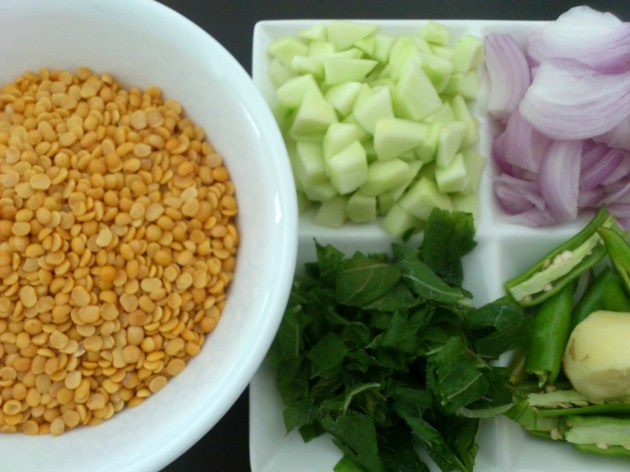
  • 1 cup split pigeon peas (toor dal) washed and soaked for 15-20 mins
  • 1 onion chopped
  • 2 inch piece of ginger grated
  • 4 green chillies slit
  • ½ cup spinach chopped
  • 1 raw mango chopped (substitute with 4-5 tbsp tamarind pulp if not using raw mango)
  • 2 ½ cup water
  • Salt to taste

For the Tadka

  • 2 tbsp oil
  • 10-12 garlic cloves crushed
  • 2-3 dry red chillies
  • ½ tsp mustard seeds
  • ½ tsp turmeric powder
  • 10-15 fresh curry leaves
  • ¼ tsp asafoetida

Recipe

Put all the ingredients for dal in a pressure cooker and cook for 3-4 whistles or till the dal is cooked enough to be mashed with back of a spoon.

Heat oil in a kadhai or a heavy bottomed pan. Add the mustard seeds. Once the seeds pop, add curry leaves and dry red chillies and sauté. Add crushed garlic and cook for one minute. Add turmeric and asafoetida and cook for 20-30 seconds. Pour this hot tempering over the cooked dal and mix well. Cook the dal without lid on slow flame for 3-4 minutes. You can add little water, if the consistency is too thick.

Serve with hot rice and pickle.

Rajasthani Mogar (Split Yellow Gram with Raw Mango)

Rajasthani Mogar (Split Yellow Gram with Raw Mango)

Mogar is a summer dish from Rajasthan. It is moong dal cooked with raw mango and dry spices. Mogar is indispensable with aamras in any marwadi family. My mom cooks this at least 2 times in a week during summers. We have a fixed menu at home whenever it is aamras for dinner. It is Aamras, mogar, and roti or aamras, mogar, and rice. This is a quick recipe when you don’t want to spend lot of time in the kitchen. The tricky part in this recipe is to not to let the lentils over cook. It has to be cooked only till each grain is cooked but separate.

Moong dal is kind of staple food in Rajasthan. Since it is the local produce, it is used to make, snacks, main course, and even desserts. You can find moong dal pakodi, moong dal kachori, and even moong dal halwa in Rajasthan. Lentils are rich in protein and this particular dal cooks quicker when compared to other lentils. The quick cooking time explains its importance during the hot summers of Rajasthan.

Raw mango has a cooling effect on body and also adds a fresh tangy flavour to the dal. You can also use dry mango powder if raw mango is not available but I prefer the raw mango. Also, the quantity of raw mango in this recipe depends on the sourness of the raw mango so use it as per preference of sourness. You can also add fennel seeds to the tadka. This dish goes well with roti and rice both but I like it more with roti.

Rajasthani Mogar (Split Yellow Gram with Raw Mango)

Ingredients

Serves 2

  • ½ cup yellow moong dal(Split yellow gram) washed and soaked for two hours
  • 2 tbsp oil
  • 7-8 curry leaves
  • 2 inch piece of ginger grated
  • ½ tsp asafoetida (heeng)
  • 1 tsp red chilli
  • ¼ tsp turmeric powder (haldi)
  • 2-3 dry red chillies
  • ½ tsp cumin seeds
  • 1 green chilli chopped
  • ¼ cup + 2 tbsp raw mango chopped
  • ¼ cup water
  • 3 tbsp chopped fresh coriander

Recipe

Method 1

Drain the water from moong dal. Heat oil in a cooker. Add cumin seeds. Once the seeds splutter, add curry leaves and ginger. Sauté and add asafoetida, dry red chillies, and green chillies. Cook for 30-40 seconds and add chopped raw mango, turmeric, red chilli powder, and salt. Mix well and cook for one minute. Add the moong dal and ¼ cup water. Mix and adjust the seasoning if required. Close the lid and cook for 3-4 minutes. Switch off the gas just before the first whistle. Once the cooker is cooled, open the cooker, add the chopped coriander and mix very lightly. Serve hot with roti or rice and aamras. The trick is to not let the dal over cook. Or else it will get mashed.

Method 2

Boil the dal separately in 2/3 cup water till it is cooked but firm. Drain and keep aside. Heat oil in a kadhai or thick bottomed pan. Add cumin seeds. Once the seeds splutter, add curry leaves and ginger. Sauté and add asafoetida, dry red chillies, and green chillies. Cook for 30-40 seconds and add chopped raw mango, turmeric, red chilli powder, and salt. Mix well and cook for 2-3 minutes. Add the cooked moong dal and mix lightly. Check for seasoning and add the chopped coriander. Serve hot with roti or rice.

Sambar

Sambar

Sambar rice was the fixed Sunday lunch menu for us in Bangalore. This spicy and sour south Indian cousin of dal is made with lentils, vegetables, spices, and tamarind pulp. The taste of sambhar varies from state to state or for that matter family to family. For me and my family, my aunt makes the best sambar in the world. So much so that, every time we visit her or any get together at her place, we make her cook sambar rice always. This has been going on for years now. This recipe is my version of sambar.

Pigeon peas and tamarind paste are the base for sambar and rest of the ingredients vary from family to family. My siblings and I are very picky with vegetables and this particular recipe is my invention of staying away from the vegetables my mom puts in the sambar. She adds okra, carrot, beans, bottle gourd, and even kachri which we all kids religiously fish out and make a mountain of it in the plate 🙂 By the way, I too add carrots and beans to sambar occasionally.

I prefer this simple and no frills sambar for my Sunday lunch or with Idli, dosa or vada. In Bangalore, or I can say whole south India, people eat sambar with almost any savoury snack be it Pongal, Upma, etc. The guys here at Ananda Bhavan and Komalas in Singapore serve sambar even with Biryani.

I prefer sambar with hot rice and crunchy mini poppadums. It makes my Sunday lunch extra special and I get to sleep again after over eating the heavy sambar rice meal.

Sambar

Ingredients

  • ½ cup yellow pigeon peas (toor/arhar dal)
  • 2 tbsp oil
  • ¼ tsp mustard seeds
  • 2 inch piece of ginger grated
  • 8-10 curry leaves (kadipatta)
  • 1 green chilli slit
  • 2 dry red chillies
  • ¼ tsp asafoetida (heeng)
  • 1 onion chopped
  • 1 tomato chopped
  • 1 tsp red chilli powder
  • ½ tsp turmeric powder
  • 2 tbsp sambhar powder (I prefer 777 madras sambhar powder)
  • ½ cup tamarind water*
  • ¼ tsp sugar
  • 1 cup water
  • Salt to taste

Optional

  • ¼ cup boiled/steamed mixed vegetables (carrots, beans, drumsticks)

Recipe

Wash and soak the dal in water for 15-20 minutes. Drain the water. Add dal, 1 ½ cup water, and little salt in a pressure cooker and cook for 3-4 whistles or till the dal is completely cooked. Mash the dal using a blender or whisk and keep aside.

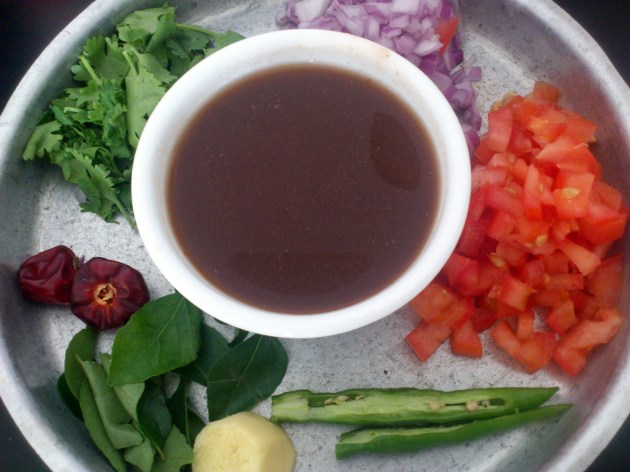
Heat oil in a kadai or thick bottomed deep pan. Add mustard seeds. Once the seeds splutter, add the grated ginger and sauté. Add the curry leaf, green chilli, dry red chilli, and asafoetida. Cook for 20-30 seconds. Add chopped onions and cook for 1-2 minutes or till the onions are translucent. Add tomatoes and salt. Cook for 3-4 minutes or till the tomatoes are mashed when you press lightly with the back of a spoon. Add the steamed vegetables at this stage if you are adding vegetables to the sambhar. Add red chilli powder, turmeric, and sambhar powder. Mix well and cook for 4-5 minutes mixing in between. If the paste is too dry, add 1-2 table spoon of water. Add water and tamarind water and bring to boil. Add the mashed dal and sugar. Let the sambhar cook on slow flame for 3-5 minutes. Add chopped coriander and serve with hot rice.

*Be careful with the amount of tamarind water you add. The amount depends on the sourness of the tamarind you use. If you are using the store bought tamarind paste, it is a good idea to dilute it and add half of the tamarind water first and then add more as per taste.

Pita Pockets with Stir-fried Vegetables

Pita Pockets with Stir-fried Vegetables

Pita pockets filled with stir fried veggies. This is one of my experiments gone right and my favourite food for make ahead meals. This healthy meals is an excellent combo of multi grain pita pockets filled with fresh stir fried vegetables with a hint of pesto. These pita pockets are quite filling and can be had as a meal itself.

I put all my favourite veggies in this one. You can choose the ones you like. It helps to steam the carrots, beans, and broccoli ahead. Cook the filling on high heat throughout and it will be a good mix of crunchy bell peppers and soft steamed veggies. You can also experiment with the sauce. I like the pesto flavour for this one but the Chinese flavour (chilli, soya, and vinegar) works great too. This filling works well with a wrap or bread too.

Pita pockets are a part of Lebanese food but they are very versatile and can be enjoyed with variety of fillings. I prefer the multigrain pita pockets but you can go for the whole wheat or plain pita pockets too. You can toast the pita bread ahead and warm them up just before eating.

This is one of my best bets for healthy make ahead meals and can be had as dinner combined with a dip and may be some hot soup.

Pita Pockets with Stir-fried Vegetables

Ingredients

Makes 10 Pita Pockets

  • 1 tbsp + 1 tsp olive oil
  • 1 tbsp ginger finely chopped
  • ½ tsp oregano
  • 1 tsp chilli flakes
  • 2 tbsp basil chopped
  • 1 tbsp garlic chopped
  • ¼ cup onion cut lengthwise
  • 1 cup bell peppers julienned
  • 2/3 cup broccoli steamed
  • ½ cup green beans cut lengthwise and steamed
  • ½ cup carrots cut lengthwise and steamed
  • ½ tsp white pepper powder
  • 1 ½ – 2 slices of cheese
  • Salt to taste
  • 5 pita breads

Recipe

Grind the basil and garlic coarsely with 1 tsp olive oil. Keep it aside. Heat 1 tbsp olive oil in a non-stick pan. Add ginger and sauté for 1 minute. Add oregano, chilli flakes, and onions and sauté. Add bell peppers and sauté for 1-2 minutes. Add green beans, carrots, and broccoli and sauté. Add the salt, pepper, and the basil garlic paste. Mix well and cook for 1-2 minutes. Add the cheese slices and switch off the gas. Once the cheese melts, mix the filling well and keep aside.

Heat a tava or griddle and lightly toast the pita breads on both sides. Once the bread is lightly toasted from both sides, cut the pita bread into two. You should have two pita pockets now. Divide the filling into 10 portions. Fill one portion in each pita pocket and serve warm. You can serve it with tomato ketchup or a honey mustard dip too.

Sprouts Salad

Sprouts Salad

Sprout salad is the simplest and healthiest way to beat the heat. It is quick to make and you don’t need to spend lot of time in Kitchen. Just sprout the beans of your choice, add the dressing, and chill. Come summer and I start looking for recipes which help me stay away from kitchen as much as possible. Summer in Singapore (I don’t know if there is any other season here) is very hot and humid and its salad for lunch every alternate day. This particular salad is easy, healthy, and my husband’s favourite too.

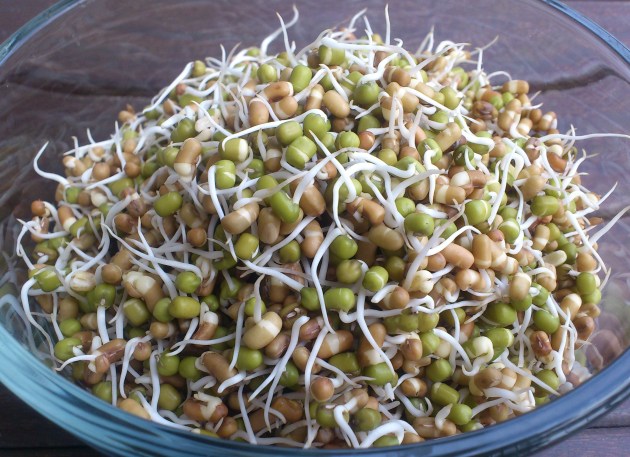
I have used moong and moth beans sprouts. You can try using alfalfa beans, chickpeas, radish, or even soya beans. Making sprouts at home is very easy. Just soak the moong and moth beans in water overnight. Next day, drain the water and tie the beans in a wet kitchen towel. Keep these tied sprouts in a covered container overnight and you have the sprouts ready. If you want the beans to sprout more, you can wash and tie them again and keep them covered for 12 more hours. You can store them in fridge for 1-2 days and use as required.

You can experiment with the toppings. Boiled potatoes, cucumber, grated carrots, and shredded cabbage are a great addition to this healthy salad. Morning breakfast, evening snack, or even lunch during summer this sprout salad can be enjoyed any time.

Sprouts Salad

Ingredients

  • 2 cups mixed sprouts (moong & moth)
  • ¼ cup mixed bell peppers chopped
  • 3 tbsp chopped onions
  • ¼ cup chopped tomatoes

For Dressing

  • 3 tsp lime juice
  • 1 tsp pepper powder
  • 1 tsp chat masala
  • 2 tbsp olive oil
  • Salt to taste

Recipe

Combine the ingredients for dressing and mix well. Keep aside.

Mix sprouts, capsicum, tomatoes, onions. Add the dressing and mix well. Serve chilled.

Mango Panna cotta

Mango Panna cotta

Mango Panna cotta is my twist to the classic Italian dessert Panna cotta which is made of cream, milk, vanilla, and sugar and topped with berries, fruit coulis or caramel. With Mango season ruling the mind, heart, and wallet, I gave in to the temptation and bought mangoes (read very expensive) in Singapore. The idea was to add Indian taste to the Panna cotta. I flavoured the cream with saffron instead of vanilla and also added mango pulp to the cream to add a bit of sour taste to the panna cotta.

Experimenting with expensive mangoes is a risky thing, especially when you have to travel one hour to buy them. But then I had been waiting for a long time for mangoes so that I can try this new idea of mine. As guessed, one variety was pretty bad (was not even close to be called a Mango) but luckily the second one – Alphonso, was delicious. It truly is the best of Mangoes. You can rarely go wrong with it. Though it’s not my choice of Mango but I don’t mind it if the Hyderabadi Rasaal Mango is not available.

While making the mango sauce, make sure to strain the mixture so that the sauce is smooth and shiny. You can prepare the sauce in advance and use it as required. For the cream, I used the thick cream or double cream as it is called. You can also use half cream and half milk if you want a lighter dessert.

Panna cotta tastes the best if it is let to set and chill for 10-12 hours. This dessert can be made ahead and stored for couple of days. Just cover it lightly and refrigerate it.

Mango Panna cotta

Ingredients

Serves 2

  • ¼ cup thick cream
  • 4 tbsp mango pulp
  • 2 tbsp sugar
  • 1 pinch saffron
  • ½ tsp china grass (agar agar)
  • 4 tbsp water
  • Few drops of oil/butter
  • 1 tbsp chopped mangoes (for topping)

Mango Sauce

  • 3 tbsp mangoes chopped
  • 1 tbsp sugar
  • 4 tbsp water

Recipe

For the Panna Cotta

Oil two ramekins or bowls and keep aside. I used 4″ inch bowls.

Combine cream, mango pulp, sugar, and saffron in a thick bottomed pan and heat on low flame. Do not let the mixture boil. It should be hot. Switch off the gas when you see small bubbles on the edges.

Meanwhile, sprinkle water on powdered china grass and cook on low flame. Do not let the china grass boil. It should just melt in water. Switch off the gas when you see small bubbles on the edges.

Strain the china grass into the hot cream mixture. Do this quickly and mix well. Make sure there are no lumps. You can also use a blender to mix the china grass into the cream mixture. Quickly pour the mixture into oiled ramekins or bowls. Cool the ramekins/bowls at room temperature and cover and refrigerate them for 5-6 hours or until you are ready to eat/serve it.

For the Mango Sauce

Add all the ingredients in a non-stick pan and cook till the mangoes are pulpy (4-6 minutes). Strain the pulp and cool it.

To serve

To unmould the panna cotta:

Fill a large bowl with hot water. Run a thin knife carefully around the edges of the ramekin/bowl. Dip the ramekin/bowl in hot water till the rim and hold it for around 4-5 seconds. Invert it on a damp serving plate and shake gently. Reposition if required. Top it with a spoon full of mango sauce and few chopped mangoes. Serve immediately or you can even chill it for few more hours by covering it lightly.

You can even top the panna cotta with sauce and mangoes and serve in the ramekins/bowls.


Hyderabadi Baghare Baigan (Brinjal Curry)

Hyderabadi Baghare Baigan (Brinjal Curry)

Brinjal curry or Baghare Baigan as known in Hyderabad is a local delicacy. Brinjals are cooked in sour and spicy gravy made of sesame seeds, groundnut seeds, tamarind paste and coconut. There are lot of variants of this recipe but this particular one is my mom’s recipe. Though I don’t like brinjals but this is one of my favourite gravies. This tastes best when eaten with hot rice.

Choose brinjals that are small and round. Make two slits in the brinjals for them to absorb the gravy well. Since I do not like brinjals, I have substituted brinjals with tomatoes or capsicum on many occasions and I loved those variants too. You can also try using fresh green chillies (non-spicy ones) instead of brinjals.

The gravy is the key to this recipe. Groundnut and sesame seeds are used a lot in Hyderabadi cuisine. It is important to roast the ingredients separately and on low flame. You can substitute the jaggery with sugar if jaggery is not available. People also add poppy seeds to this gravy. I love the combination of sambhar, rice, and this gravy. This curry tastes best with hot rice. You can also serve this with parathas.

Hyderabadi Baghare Baigan (Brinjal Curry)

Ingredients

  • 5 brinjals (small ones work best)
  • 2 tbsp oil
  • ¼ tsp mustard seeds
  • 2 inch piece of ginger grated
  • 4-5 cloves of garlic grated
  • 2 tbsp red chilli powder
  • ½ tsp turmeric
  • Salt to taste

For the Masala

  • 2 tbsp grated coconut (I used the dry desiccated coconut)
  • ½ tbsp cumin seeds
  • ½ tbsp coriander seeds
  • 1 ½ tbsp sesame seeds
  • 2 tbsp peanuts
  • 1 medium onion
  • 1 ½ tsp jaggery
  • 4 tbsp tamarind pulp
  • Little oil to fry the onions

Recipe For the Masala Dry roast the coconut, cumin seeds, coriander seeds, sesame seeds and peanuts separately on low flame. Fry the onions till brownish using little oil. Combine all the ingredients for masala and grind them to a smooth paste. Add little water if required. Keep the masala aside. For the Curry Make two slits in the Brinjals. Do not cut them completely but just a deep cut like a plus sign. Heat oil in a kadhai or non-stick pan. Add mustard seeds. Once the seeds splutter add ginger and garlic. Sauté for 10-15 seconds. Add the Brinjals and cook for 2-3 minutes. Add the masala paste, red chilli powder, turmeric powder, salt and one cup water. Mix well and cook on slow flame till the Brinjals are cooked and oil floats on top. Keep mixing in between. Serve with hot rice and sambhar or with plain parathas.

Corn and Paneer Cigars

Corn and Paneer Cigars

Corn and paneer (cottage cheese) cigars. This very quick and easy to make snack is just mushy paneer and corn filled bread, rolled and deep fried. This is a twist to the sandwich I make with corn and paneer filling. With the IPL going and Football World cup round the corner, it is going to be lot of night outs and even more snacks and finger foods.

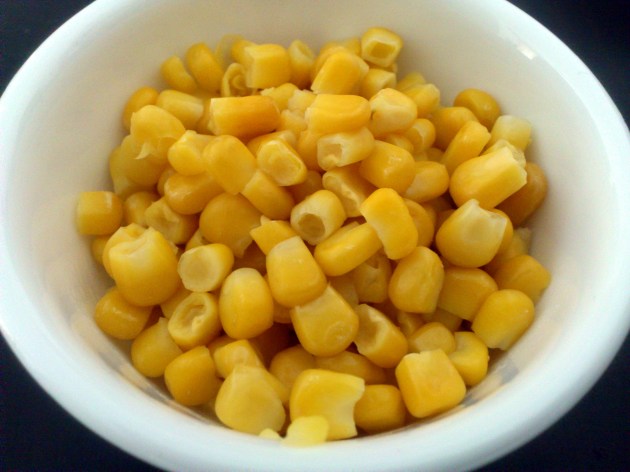
I don’t get the Indian corn here so I used the frozen sweet corn. This adds a hint of sweetness to the filling. If you don’t like sweet flavour, use the Indian corn which is not as sweet as the sweetcorn. Make sure not to crush the corn too much. Grind it very coarsely just enough to be broken into two pieces.

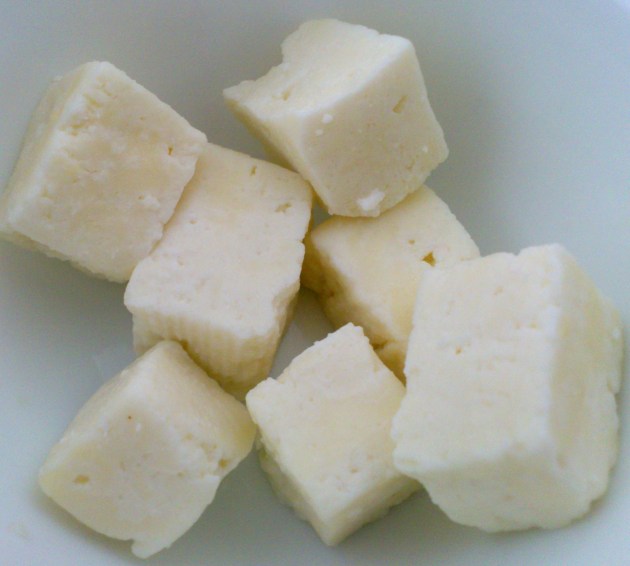
If you can use fresh paneer its great. Otherwise try thawing the frozen paneer cubes before you use them. I soaked the frozen paneer cubes in hot water for couple of minutes and it was good enough to crumble in the mixture.

I used white bread for this recipe but I would strongly recommend using the multigrain bread. It adds a lot to the flavour. Cut off the edges and roll the bread flat using a rolling pin. Do not forget to seal the edges well by wetting the edges with enough water. You can prepare the filling in advance and fry the cigars when you want to eat/serve them. You can serve these with ketchup or any other dip of your choice.

Corn and Paneer Cigars


Ingredients

Makes 8 cigars

  • ½ cup corn kernels
  • 6-7 cubes paneer
  • 1 green chilli
  • 2 inch piece of ginger
  • 8 slices of bread
  • 1 tbsp oil + more oil for frying
  • Salt to taste

Recipe

Steam the corn kernels and grind them very coarsely with green chillies.

Heat 1 tbsp oil in a non-stick pan. Add grated ginger and sauté. Add the corn and chilli mixture, paneer, and salt. Mix well. Cook for 2-3 minutes. Keep it aside.

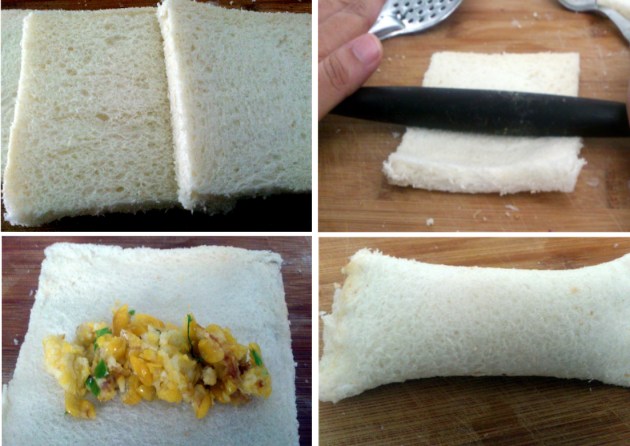
Trim the edges of the bread. Roll the bread flat using a rolling pin. Add approximately 1 tsp of the filling in the centre. Wet the edges of bread with water and roll the bread carefully into cylinder shape and seal the edges.

Heat oil in a frying pan or kadhai and fry the bread cigars on medium heat till they are golden brown. Serve with ketchup or choice of dip. You can even cut the cigars into two to make bite sized snacks.