Toast Cups

Toast Cups

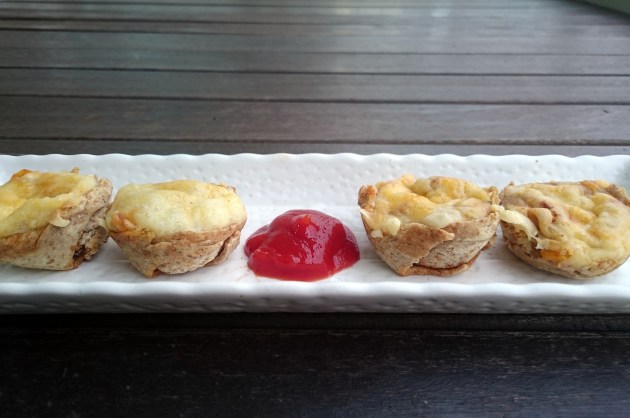
Toast cups or mini quiches as they look like are a quick way to upgrade a simple toasted sandwich to look like a gourmet snack . It is a very easy dish to make. Bread is rolled, cut, and baked into cups, filled with different savory filling, topped with cheese, and baked into delicious hot snacks.

You can practically fill the toast cups with any filling you like. I like this Mexican filling with corn, capsicum, and paneer. The Mexican taco spice mix or the chili spice mix adds a new flavor and spice to the filling. It also makes it quick to cook.

You can choose to cut the edges of the bread if you like. Rolling the bread will make it easier to cut it and fit in the muffin mould. To add flavor to your toast cups, you can brush the cups with olive oil mixed with dried herbs like oregano, basil, thyme etc. You can use any cheese you like to top the toast cups. If you want to prepare the dish in advance, you can prepare the filling and toast the cups lightly. Assemble and bake the cups just before serving. This snack tastes best when it is hot.

Ingredients

  • 12 slices of bread with the edges cut
  • ½ cup boiled/steamed sweet corn
  • ¼ cup mixed bell peppers chopped
  • ¼ cup paneer chopped
  • ¼ cup onion finely chopped
  • 35 gms Taco seasoning/any Mexican seasoning
  • 5 tbsp olive oil
  • 2-3 tbsp water
  • Cheese to taste ( used cheddar cheese)
  • Salt to taste

Recipe

Heat oil in a pan. Add onions and sauté for 1-2 minutes. Add the bell peppers, paneer, and sweet corn. Mix well and cook for 1-2 minutes. Add the taco seasoning and 2 tbsp water and mix well. Taste and add salt if required. Cook for 3-4 minutes mixing in between. Transfer to a bowl and keep aside.

For the toast cups, roll a bread slice using a rolling pin. Cut a circle using a cookie cutter or a sharp edged bowl. Divide the circle into two. Adjust the semi circles in a muffin tray to make a cup. Follow the same procedure for rest of the bread slices.  Spray the toast cups with olive oil. Pre-heat an oven to 180 degrees Celsius and bake the cups for 10-12 minutes.

Take the tray out of the oven. Add a table spoon of filling in each cup. Top it with grated cheese and bake for 8-10 minutes till the cheese melts. Serve hot.

Dal Baati Churma

Dal Baati Churma

Dal Baati churma is probably the most popular of the Rajasthani cuisine. Ghee dipped baatis are served with a spicy dal and sweet churma laddus. Add gatte ki sabji and rice to this and this turns into a big delicious and royal Rajasthani meal for you. As with all other recipes, this is my family recipe of daal baati which my mom has been cooking for more than 40 years now. I would suggest cooking dal baati only in ghee to get the authentic taste. It is a lengthy recipe but every bite is worth the time you spend cooking this.

baati

Baatis can be baked or fried. Some people boil the baati first and fry it after that. My mom just fries the baatis in ghee. Semolina adds a nice crunch to the baatis while ghee makes them melt in mouth. Make sure to cook baatis on a low to medium flame so that they are cooked well. Some people drizzle ghee on baatis while some keep them dipped in ghee until they serve.

churma

Panchmel dal and churma are the other two importants parts of this dish. You can serve the churma in form of laddu or in powder form. Ghee again decides the taste of churma. Use desi ghee and this will take the taste of churma to another level.

Do serve the dal, baati, churma with a wedge of lime. Traditionally, piping hot dal and baati are crushed and mixed with churma and topped with more ghee and a dash of lime and fresh onion slices.

Dal Baati Churma

Ingredients

Makes  8-10 servings

For Baati

  • 2 cups whole wheat flour (aata)
  • ¼ cup semolina (rava)
  • ¼ cup chickpea flour (besan)
  • ¼ cup yogurt (dahi)
  • ½ tsp carom seeds (ajwain)
  • ¼ cup pure ghee
  • ¼ tsp soda bicarbonate
  • 2 pinches turmeric
  • Salt to taste
  • Ghee to fry the baati

For Dal

  • ½ cup moong dal
  • ½ cup toor dal
  • ¼ cup urad dal
  • ¼ cup chana dal
  • 2 tbsp oil
  • ¼ tsp mustard seeds
  • ¼ tsp asafetida (heeng)
  • 2-3 green chillies
  • 2 inch piece of ginger grated
  • 8-10 curry leaves
  • 1 bay leaf (tej patta)
  • 1 dried red chilli
  • 2 inch piece of cinnamon (dal chini)
  • 2 cloves (laung)
  • ½ tsp turmeric powder
  • 2 tsp red chilli powder
  • 2 tsp coriander powder
  • 1 tsp garam masala
  • 2 tbsp chopped fresh coriander
  • Salt to taste

For Churma

  • 1 cup whole wheat flour (aata)
  • ¼ cup pure ghee
  • ½ cup powdered sugar
  • ¼ tsp cardamom powder (ilaichi)
  • 1 tbsp chopped dry fruits (almonds, pistachios and cashews)

Recipe

For Dal

Wash and soak the dals for 20-30 mins.  Drain water and put all the dals in pressure cooker. Add 4 cups water and some salt and cook for 3 whistles. Once the cooker is completely cooled, open the lid and mash the dal lightly and keep aside.

Heat 2 tbsp oil in another pan or kadhai. Add mustard seeds and once the seeps pop, add bay leaf, cloves, cinnamon, dried red chilli. Sauté for few seconds and add green chillies, heeng, curry leaves and grated ginger and sauté for few seconds.

Add a cup of water, turmeric, coriander powder, red chilli powder and garam masala. Once the water comes to boil, add the cooked dal and mix well. Check the consistency of dal and add more water if required.  Also, check for salt at this stage and add more salt if required. Bring the dal to boil and let it cook for 5-6 minutes on low flame. Finally add chopped coriander and switch off the gas.

For Churma

In a deep bowl, mix together the flour and ghee.  Add little water and knead firm dough. Divide the dough into eight portions. Take each portion in your palm and close your fist to make an indentation in the dough. Heat ghee in a frying pan and deep fry the dough portions till they are golden brown. Fry them on low flame. Drain on absorbent paper and let them cool down completely.

Once they are cooled, break them into pieces and grind them to powder using a grinder. Add sugar, cardamom powder, and dry fruits and mix well. You can serve the churma like this in powder form or you can even make laddus out of it. To make laddus, heat 2 tbsp ghee and pour it on churma and mix well. Grease your palms with some ghee and take 1-2 tbsp of churma in your hand and roll it into round balls.

For Baati

Mix all the ingredients for baati and knead firm dough using little water and rest it for 5-10 minutes. Knead the dough again for 5-6 minutes. Divide the dough into 20 portions. You can make more or less baatis depending on the size of the baati you like. Shape each portion into an even sized ball and flatten the balls lightly using your thumb to make an indentation in the center of the baati.

Heat ghee/oil in a frying pan and fry the baatis till they are golden brown. Make sure to fry the baatis on a medium flame so that the baatis are cooked from inside too. Drain the baatis on absorbent paper and keep them aside.

To serve

Break baati in two pieces and pour a spoonful of melted ghee on top and serve with dal, churma, a wedge of lime and onion slices.

Aam Panna

Aam Panna

While most people are busy gorging on variety of Mangoes during the summer season, my favorite way of having mango is the Aam panna made with raw mangoes. Raw mango has the quality to cool your body. Summer in Hyderabad can be pretty bad. With temperatures soaring to even 43 degrees, this was a regular drink at home. Every day when we came back from school our mom used to have this drink ready for us.

Since Singapore has a hot and humid weather all the year round, Aam panna can be made and enjoyed anytime of the year. I love this drink so much that I don’t mind travelling all the way to Mustafa center to buy the mangoes. 

You can roast the mangoes if you like but I like it the way my mom makes it. It is quick and easy and saves me time. I like to prepare this drink in quantity so that I can just chill it and enjoy the whole weekend.

Aam Panna

Ingredients

Makes 6 glasses

  • 2 raw mangoes
  • 4 tbsp sugar
  • ½ tsp salt
  • 1 tsp rock salt (kala namak)
  • 2 tsp cumin (jeera) powder
  • 500 ml water

Recipe

Pressure cook the mangoes with some water (approximately 300ml) for 5-6 whistles. Extract the mango pulp and throw away the outer skin and seeds.

Add sugar, salt, rock salt and blend. Add water and cumin powder. Adjust sugar, salt as per taste. Serve chilled.

You can adjust the sugar and water depending on how sour the mangoes are.

Broccoli Sauce Pasta

Broccoli Sauce Pasta

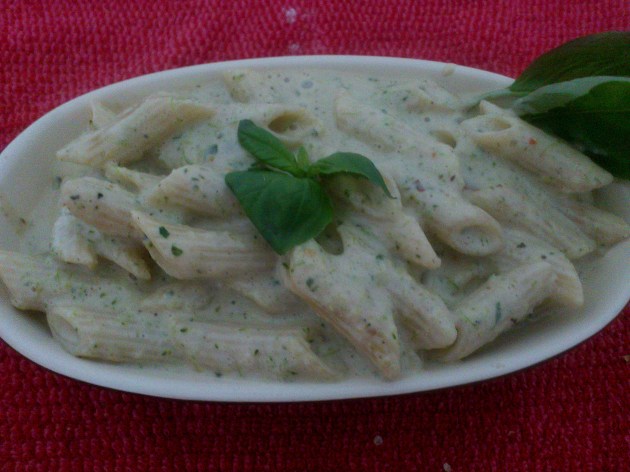
Pasta is as dear to me as idli or Panipuri. I can eat it as all the three meals in one day and will still be happy to have it again the next day.  The first time I had pasta was in Cardiff. My friend Deepak’s mom had come down from Moscow for his birthday and she introduced me to pasta and taught me how to make it. There is no looking back since then. I experiment a lot with pasta and this is one of my experiments gone right.

This sauce goes well with Fettuccine pasta but I had only Penne at home and craving for pasta wins over all other preferences hands down – always!  It tasted good with Penne pasta too.

I like the red sauce more as it is healthier and closer to the spicy Indian flavours. White sauce is more of a comfort food. Only problem with the white sauce is that you have to eat it right away. The left over or cold pasta doesn’t taste as good as the red sauce pasta tastes the next day. To avoid myself the guilt of eating so much of refined flour and cheese, I try to compensate by adding something healthier. This time it was Broccoli (I just LOVE Broccoli) and I loved it.

Make sure to serve this pasta hot. Reheating is not recommended as the refined flour will get stickier and the sauce will get thicker too.

Broccoli Sauce Pasta

Ingredients

Serves 2

  • 3 tbsp olive oil
  • 3 cloves of garlic chopped
  • 1 small onion chopped
  • 1 tsp oregano
  • 1 tsp chilli flakes
  • ½ tsp pepper powder
  • ½ broccoli (steamed and chopped)
  • 3 tbsp plain flour (maida)
  • ½ cup milk
  • ¼ cup cheese (I use mild cheddar cheese)
  • 10-15 leaves basil chopped
  • 3 cups of pasta cooked al dente
  • Salt to taste

Recipe

Heat olive oil in a pan. Add garlic, oregano and chilli flakes. Sauté for 30-40 seconds. Add onions and cook for 2-3 mins till the onions are translucent. Add flour and sauté for 2 mins. Add milk, pepper, basil leaves, broccoli pieces, cheese, and salt and cook for a minute and switch off the gas. Cool slightly and blend everything to a smooth sauce using a blender or mixer.

Put it back on low flame and check for salt, seasoning, and thickness. If the sauce is too thick you can add some milk or water at this time. Add pasta and toss it well and switch off the gas.

Serve immediately.


Ragda Patties (Aalu Tikki Chaat)

Ragda Patties (Aalu Tikki Chaat)

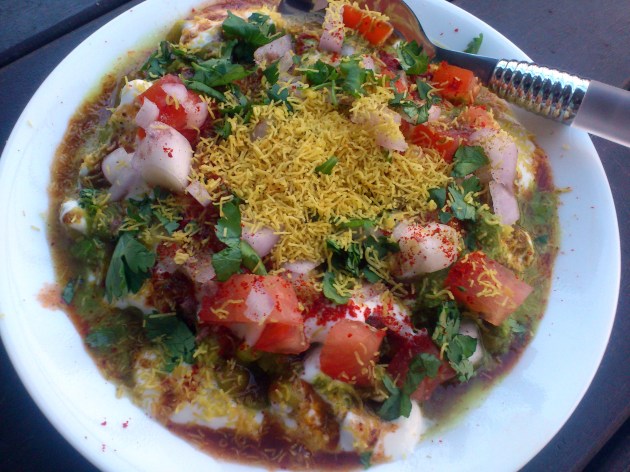
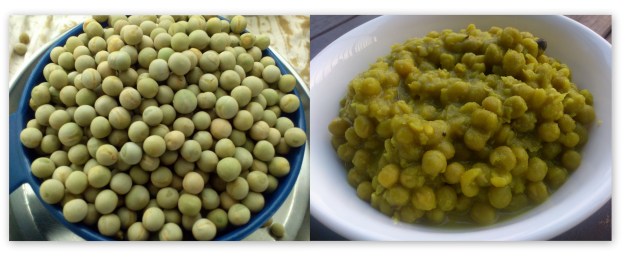
Ragda patties is a famous street food from India. Potato patties are topped with boiled green peas, onions, tomatoes, spices and sweet and spicy chutneys to make this mouth-watering street food (Chat). This dish has variations according to regions and this recipe is of the ragda patties (called cutlet or ragda katlis) you can find on the streets of Hyderabad. Boiled green peas tempered with basic spices is called ragda. You can also use dry white peas for the ragda if you wish.

Potato patty known as aloo patty or cutlet is made with boiled potatoes and very few spices. Some people add fillings to these patties. Common stuffing for patties includes finely chopped carrots and French beans or roasted gram flour with spices. I have not used any stuffing in the recipe here. I like to play around with the toppings more than the stuffing.
Tricky part for people who do not cook often is the topping as per taste instruction. But this really has no other way. Some people like their chat sweet, some like it spicy. So you really need to experiment with this one. I like my cutlet with yogurt and lots of sev. I enjoy my cutlet piping hot with chilled yogurt on top.

Normally, this dish is served in layers of patty, ragda, and the toppings. If you want to eat it the hyderabadi way, Crumble the patty on a hot griddle, add some ragda and little panipuri water. Give it a nice mash or mix. Add the spices and chutneys for topping and mash again. Now take it in a plate and top it with yogurt, coriander, and sev. This is hyderabadi ragda katlis for you. Enjoy!

Ragda Patties (Aalu Tikki Chaat)

Ingredients

Serves 4

For the Ragda

  • 1 cup dried green peas (hara batana) soaked overnight
  • ¼ tsp mustard seeds (rai)
  • ¼ tsp cumin seeds (jeera)
  • ¼  tsp asafoetida (heeng)
  • ¼ tsp turmeric
  • Salt to taste
  • Ghee/oil for shallow frying

For the Patties

  • 4 potatoes boiled, peeled, and mashed
  • 2 tsp corn flour
  • 2 tsp ginger and green chilli paste
  • 1 tsp finely chopped coriander
  • Salt to taste

Toppings/Garnish

  • 1-2 tsp red chilli powder
  • 1-2 tsp black salt
  • 1-2 tsp cumin powder
  • 2 tsp chopped coriander
  • 7-8 tbsp nylon sev
  • 1 onion finely chopped
  • 1 tomato finely chopped
  • 7-8 tbsp tamarind chutney
  • 7-8 tbsp mint chutney
  • 10-12 tbsp fresh yogurt beaten with some salt

Recipe

For The Ragda

Pressure cook the peas with little salt and 2 ½ cups of water for 5-6 whistles.  Heat oil in a kadhai. Add mustard and cumin seeds. Once the seeds pop, add turmeric and asafoetida and the boiled peas. Add around one cup of water and mix well. Mash the peas a little with the back of a spoon. Simmer for 7-10 minutes or till the ragda thickens and keep aside.
For the Patties

Combine the ingredients for patties and divide the mixture into eight portions. Shape each portion into flat round disc.  Heat a thick griddle. Put ¼ tsp ghee and place a patty. Smear some more ghee on top of the patty and turn it over after a minute. Move it to the side of the griddle. Follow the same procedure for all the patties. Keep turning the patties every 1-2 minutes till they turn brown on both sides. Keep aside.

To Serve

Place two patties in a bowl or a deep plate. Add close to 1/4th of the ragda, 2 tbsp yogurt, 2 tsp onions, 2 tsp tomatoes, few pinches each of red chilli powder, cumin powder, and black salt. Add the tamarind chutney and mint chutney as per taste. Top it with chopped coriander and nylon sev and serve.

Gobhi Parathas (Cabbage Stuffed Parathas)

Gobhi Parathas (Cabbage Stuffed Parathas)

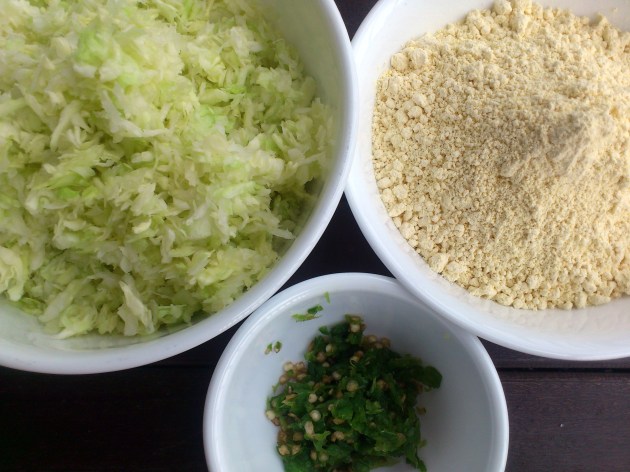
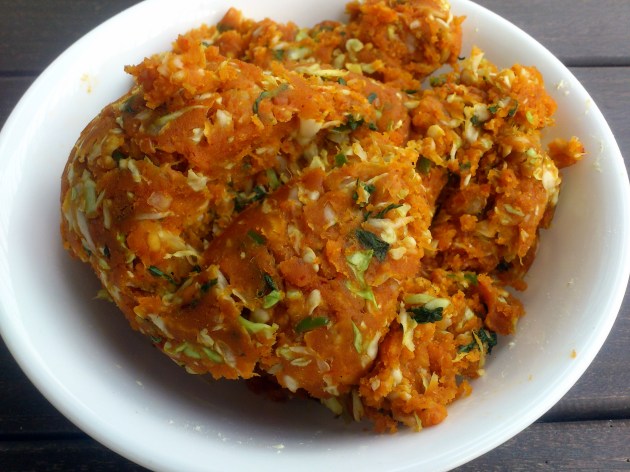
Gobhi or cabbage paratha is not one of the famous parathas you get at the restaurants. This is my family recipe and I have never seen these parathas being sold anywhere. Shredded cabbage and spices are mixed and roasted with gram flour to make a spicy filling for whole wheat parathas. This is my mom’s way of sneaking vegetables into our food. She replaces gobhi with radish (muli) when it is in season and it tastes equally yummy.

Gram flour tends to burn if not sautéed continuously. It is best to make the filling on lowest flame throughout. The gram flour is done when it starts changing color and you can smell the aroma. You can use grated radish instead of cabbage for a variation. In both cases, do not add water to the filling as the both the vegetables have enough water content.

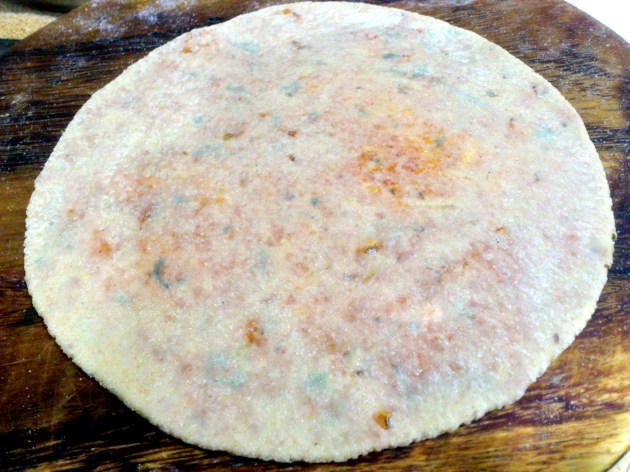
Rolling out a paratha with a filling needs lot of practice. You need to make sure that the dough is of right consistency. If the dough is too hard, the filling will come out, if it is too soft, you will not be able to roll it well. You also need to make sure the filling is spread throughout the paratha. If you do not roll it well, you might end up with filling only on sides or only in centre. Practice is the key.

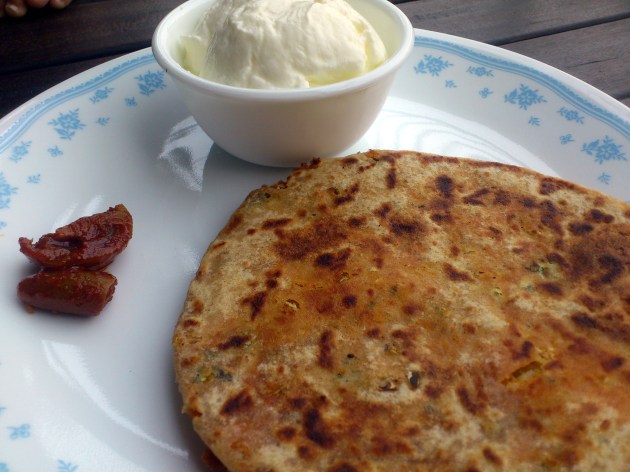
These parathas are perfect for a rainy day. My mom makes them for breakfast/dinner and they taste yummy even when they are cold. Just roll up the cold paratha and dip it in chai for a filling chai time snack. I like my parathas hot with chilled yogurt and lime pickle.

Gobhi Parathas (Cabbage Stuffed Parathas)

Ingredients

Makes 12-15 Parathas

For the Dough

  • 2 ½ cup whole wheat flour (aata)
  • 1 tsp carom seeds (ajwain)
  • Salt to taste
  • Water to knead the dough

For the Filling

  • 2 ½ cup cabbage (patta gobhi) grated
  • 1+1/4 cup gram flour (besan)
  • 4 green chillies coarsely ground
  • 2 tbsp red chilli powder
  • ¼ tsp turmeric
  • 3-4 tbsp chopped coriander
  • 3 tsp lime juice
  • 1 tsp garam masala
  • 2 tbsp oil + some more to cook the parathas
  • Salt to taste

Recipe

For the Dough

Combine the flour, carom seeds, salt, and water to make a soft and smooth dough. Cover and keep it aside.

For the Filling

Heat oil in a thick bottomed pan or non-stick pan. Add the gram flour and roast it on a slow flame mixing continuously till it is slightly brownish (2-3 minutes) in color. Do not over roast it. It will taste bitter otherwise. Add green chillies paste and roast again for 1 minute. Add the cabbage, salt, chilli powder, garam masala, turmeric powder, lime juice, and chopped coriander. Mix well and roast for another 3-4 minutes. Remove from heat and let it cool completely.

For Parathas

Divide the dough into equal portions. Roll out a thick small disc (appx 5 inches). Put a portion of the cooled filling (appx 1-11/2 tbsp) in the center and bring the edges together to form a small ball. Flatten it lightly with hand and roll into a paratha. Try not to let the filling out while rolling the paratha.

Heat a griddle and cook the paratha on both sides using little oil just like you would cook a normal paratha. Serve with chilled yogurt and pickle.

Namak Para (Indian Savory Pastry)

Namak Para (Indian Savory Pastry)

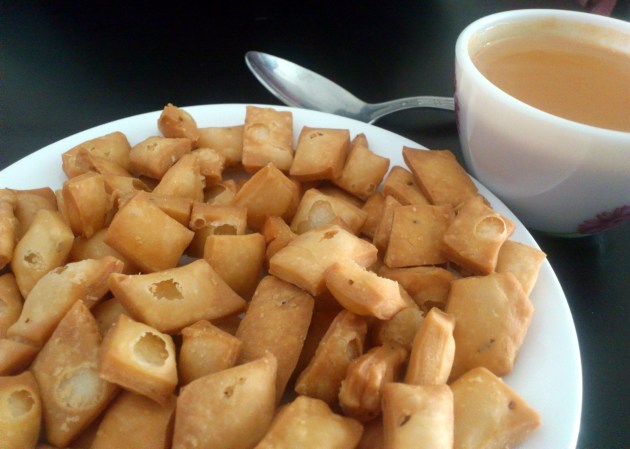
Namak para is a popular savory tea time snack. It is a part of the variety of sweets and snacks made in marwadi homes during Diwali. This fried Indian pastry seasoned with cumin and carom seeds is a favorite with tea. My mom makes this snack in batches of huge tin boxes as every one at home loves to have them with the morning tea. This used to be a popular travel snack whenever we travelled. Namak para with lime pickle is an awesome combination.

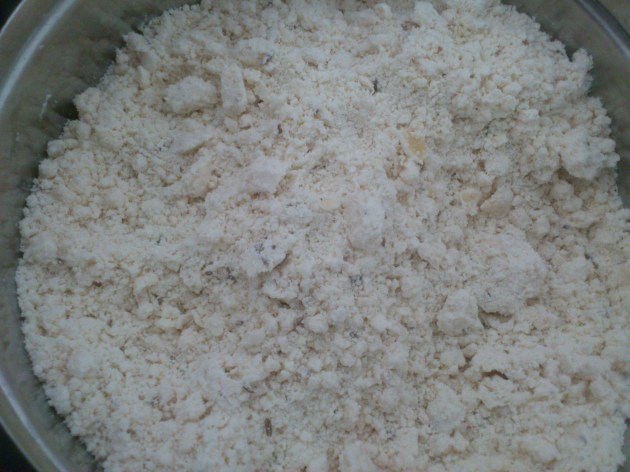
The crunch of this snack should be like a pastry and that calls for ghee or butter to be added in the dough. You can use oil too but I like it light, flaky, and buttery. The basic rule of pastry applies with namak para too. Add all the dry ingredients before adding butter. Use cold butter and work quickly using your finger tips for a lighter pastry. The flour should resemble bread crumbs. If the fat you are adding is hot, it will absorb more oil while frying and the namak para will be heavier. Add cold water and add as less water as possible and add it gradually.  Do not over knead the dough. After you rest the dough, just knead it lightly.

You can make namak paras in any shape. The diamond shape is the most popular one in India. Fry the namak para on a slow or medium flame. Cumin and carom seeds are the most common flavours. You can experiment with other herbs too like kasuri methi or even oregano. Coarsely ground black pepper can be added for a hint of spice. Namak para can be stored in an airtight container for 3-4 weeks. These can be served with tamarind chutney or lime pickle.

Namak Para (Indian Savory Pastry)

Ingredients

  • 1 cup all purpose flour (maida)
  • 1 tbsp semolina (optional)
  • 4 tbsp Oil/butter
  • 1 tsp salt (you can add the salt as per taste)
  • ½ tsp cumin seeds (jeera)
  • ½ tsp carom seeds (ajwain)
  • Ice cold water
  • Oil for frying

Recipe

Lightly pound the cumin and carom seeds. Mix the all purpose flour, salt, cumin and carom seeds. Rub the butter using finger tips. The flour should resemble bread crumbs. Add little cold water at a time and knead stiff dough. Cover with a damp cloth and keep aside for 15 minutes. Knead again lightly and divide the dough into four portions.

Roll each portion to a 1/8cm thick circle. Cut into desired shape. Diamond is the commonly used shape. Heat oil in a kadhai or a deep pan and fry the namak para on slow flame till they turn light brown on both sides.

Cool and store in an airtight container.

Tamarind Rice (Khatte Chawal)

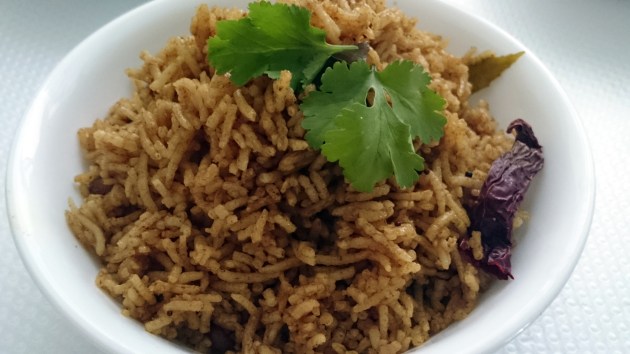
Mom’s indeed are the best cooks in the world. Not because they cook gourmet food but they make normal food taste like gourmet food and that too in minutes. Khatte chawal (this is what my family calls it), known as pulihora/puliodare/puliyogare in south India is tamarind flavored rice with a tempering of nuts, lentils, and spices. This tangy rice is a common prasad at most of the south Indian temples.

This is not an authentic pulihora recipe but this is one of the best I have eaten apart from the ones at temples of course.

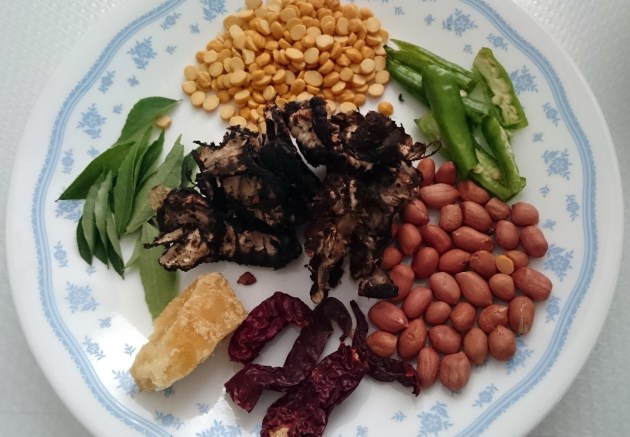
The taste and color of this dish depends a lot on the quality of tamarind. To get the best results, clean and soak the tamarind in water for 2-3 hours. It will be easier to get the pulp out. You can also add cashewnuts, urad dal, and grated coconut too. My favorites in this dish are the fresh curry leaves, asafoetida, and just a hint of jaggery.

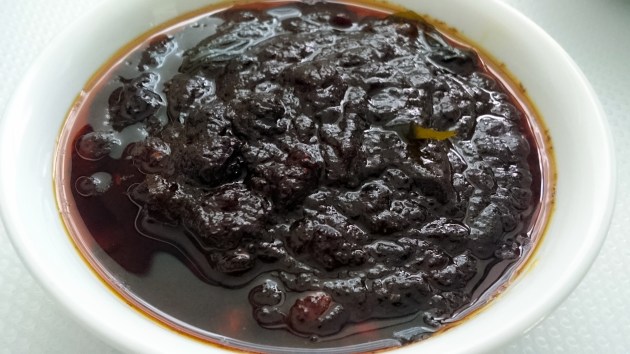
My mom prepares the tamarind mix in advance and then it is just a matter of minutes to turn plain white rice to tangy and yummy south Indian delicacy. You can store the tamarind mix in fridge for up to a month.

This is a great travel food too. It tastes equally good when it is cold. Try to mix the rice couple of hours in advance before eating.

Ingredients

Serves 2

  • 2 cups cooked plain rice
  • 3-4 tbsp oil
  • ½ tsp mustard seeds
  • ½ tsp asafoetida (heeng)
  • 3-4 green chillies slit
  • 4-5 dry red chillies broken
  • 15-20 curry leaves
  • 1 tbsp chana dal
  • 2 tbsp groundnuts
  • ¼ cup tamarind
  • ½ tsp red chilli powder
  • ½ tsp turmeric powder
  • 1 tsp jaggery
  • Salt to taste

Recipe

Soak tamarind in ½ cup water for 1-2 hours. Mash the tamarind thoroughly using fingers and pass this paste through a sieve. Keep aside. This recipe requires a thick pulp so add as less water as possible.

Heat oil in a non stick pan or a kadhai. Add mustard seeds. Once the seeds pop, add curry leaves, green chillies, dry red chillies. Let them cook for around a minute. Add the chana dal, ground nuts, and asafoetida. Sauté and cook for 1-2 minutes till the dal and ground nuts are lightly browned. Be careful not the burn the dal and the nuts or they will taste bitter. Add the tamarind pulp, salt, red chilli powder, and turmeric powder. Mix well and let this cook on low flame till the oil floats on top (around 6-8 minutes). Keep mixing in between. Let it cool down a little.

Mix few spoons of the tamarind mix at a time in plain rice. You can add more or less mix in the rice based on your taste. If you like the rice sour add more mix. You can store the left over tamarind mix in fridge for upto a month.


Aalu Matar (Potatoes and Peas Curry)

Aalu Matar (Potatoes and Peas Curry)

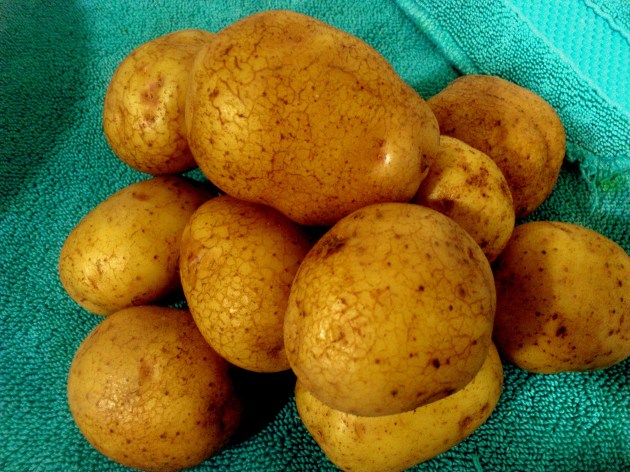
Potato is the most versatile of vegetables. It is a staple diet of most of the middle class vegetarians.  You can combine it with any vegetable. This was the most common curry in our lunch box. There was a time when I hated aalu ki sabji. My mom makes at least 8-10 varieties of aalu sabji. Aalu fry, jeera aalu, aalu matar, aalu tamatar, aalu beans, dahi vale aalu and the list goes on. I finally made friends with potato when I went to Cardiff for studies. There were 4-5 variety of potatoes available and I started experimenting with this vegetable.

The food marathon that I went on after my wedding had this aalu matar following me at every house and I again started running from aalu ki sabji. Finally, when I am out of India again Aalu matar has become my friend again.

Aalu Matar (Potatoes and Peas Curry)

Ingredients

  • 2 potatoes peeled and cubed (Russet potatoes are good for this curry)
  • ½ cup fresh/frozen peas
  • 2 tbsp oil
  • ¼ tsp mustard seeds
  • ½ tsp cumin seeds
  • ¼ tsp asafoetida
  • 6-8 curry leaves
  • 2 inch piece of ginger grated
  • 2 green chillies finely chopped
  • 1 small onion finely chopped
  • 1 tomato finely chopped
  • 2 tsp red chilli powder
  • 2 tbsp coriander powder
  • ¼ tsp turmeric powder
  • 2 tbsp chopped coriander
  • 1 1/2 cups water

Recipe

Heat oil in a pressure cooker. Add cumin and mustard seeds. Once the seeds pop add asafoetida, curry leaves, ginger, and green chillies. Sauté for 30-40 seconds. Add chopped onions and cook for 1 min or till the onions are translucent.

Add tomatoes and salt and cook for 1-2 two minutes on a slow flame. Add turmeric, red chilli powder, coriander powder. Mix well and cook for 1 minute. Tomatoes should reduce to pulp by now and leave oil. Add peas and potatoes. Add 1 1/2 cups water and close the lid and pressure cook for 3 whistles.

Once the pressure is released open the cooker and check the curry for seasoning and adjust salt or spice accordingly. Add chopped coriander and mix.

Serve with hot puri, roti, or jeera rice.

Khandvi (Savory Roll ups)

Khandvi (Savory Roll ups)

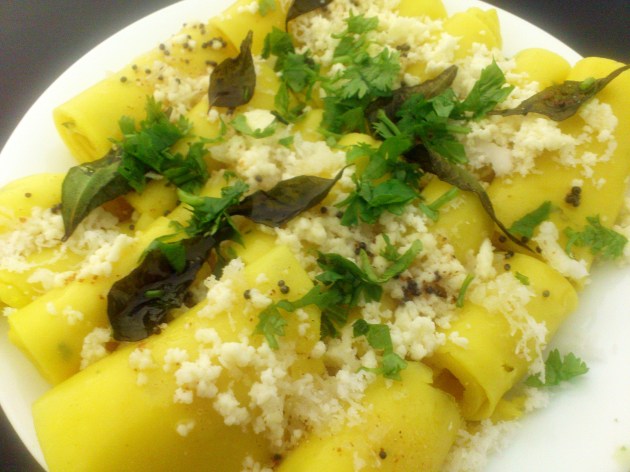
Khandvi is a Gujarati snack. It is a savory roll up made up of gram flour and buttermilk. Buttermilk and gram flour are slow cooked with minimum spices and rolled up and tempered before eating. This is not very spicy or oily and is a favorite snack with kids and elders alike. My grandparents love this snack made by me. It is always a pleasure when people who taught you cooking appreciate your skills and like something you make.

It is a pretty easy and quick cooking snack but making khandvi is not less than an art. It needs a lot of practice. The pan you are cooking it in has to be a non-stick pan or else the gram flour will stick to it and the batter will get burnt. You need to spread the batter very quickly and thinly while it is still hot. The batter gets cooled very quickly and you cannot spread it once it is cooled. Try to make it in batches and make small portions first till you get a hang of spreading the batter fast.

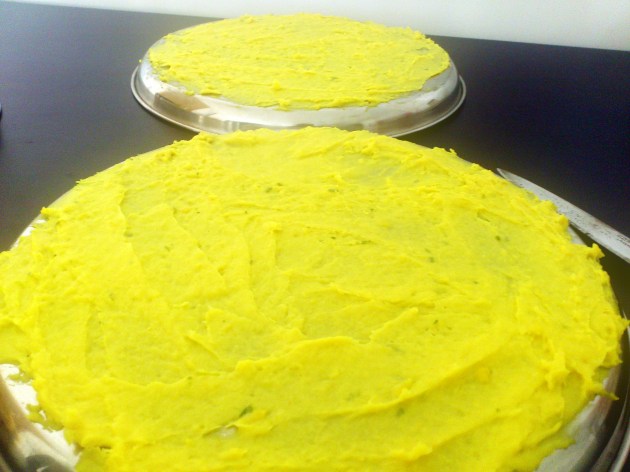
The trick is to spread the batter as thinly as possible, cut the khandvis lengthwise into equal strips and roll them carefully. You can spread the batter on back of a plate, marble counter top, or on a foil too.

You can even stuff the khandvi if you want a variation. Once you have spread the batter you can put a thin layer of grated paneer mixed with salt, black pepper, and chopped coriander and then cut and roll up the khandvi. Traditionally, the tempering for khandvi is of mustard seeds, curry leaves and asafoetida. You can also add green chillies and sesame seeds to the tempering.

I like to add fresh grated cottage cheese (paneer) as a garnish but it is optional. This is ideally a tea time snack and you can serve it as it is or with mint chutney, or ketchup. Khandvi can be kept in refrigerator for couple of days but without the garnish and tempering. It is best eaten the same day.

Khandvi (Savory Roll ups)

Ingredients

  • 1 ½ cup buttermilk
  • ½ cup gram flour (besan)
  • ½ tsp asafoetida (heeng)
  • 1 tsp green chilli and ginger paste
  • ¼ tsp turmeric powder
  • ¼ tsp lemon juice
  • 1 tbsp chopped coriander
  • 1 tbsp fresh grated coconut
  • 1 tbsp fresh grated cottage cheese (paneer) optional
  • 12-15 curry leaves
  • ½ tsp mustard seeds
  • 1 tbsp oil + 1 tsp oil for greasing
  • Salt to taste

Recipe

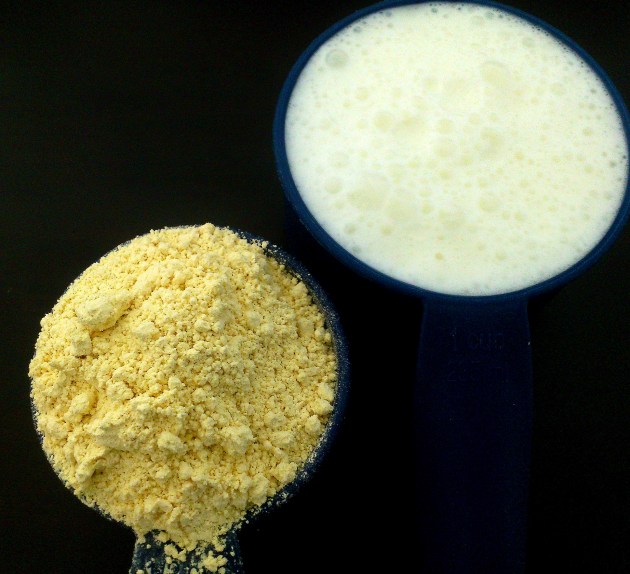
Whisk together buttermilk, gram flour, half of asafoetida, green chilli and ginger paste, turmeric, salt, and lemon juice in a deep non-stick pan. The pan has to be non-stick otherwise the khandvi batter will stick to the pan and burn.

Cook on a low flame stirring continuously till the batter becomes thick. It should take approximately 6-7 minutes. The consistency of the mixture should be like a paste.

Grease a plate on reverse side using little oil. Take a ladle full of the batter and spread it as thinly and evenly as possible using a spatula. For the above proportion, I greased 2 plates of (approximately 10 inches). You can spread it on a greased foil, or a clean counter top.

Once the batter is cooled, cut the khandvi on each plate lengthwise around 2 inches in width and roll up.

Just before serving, garnish with grated coconut and paneer and chopped coriander. Heat oil in a pan, add mustard seeds, curry leaves, and asafoetida. Once the seeds pop, pour the tempering on the khandvi and serve. You can even add chopped/slit green chillies and sesame seeds to the tempering.

Important

  • If you are making this in quantity, try to prepare it in batches as the gram flour tends to harden up pretty fast.
  • You have to be very quick while spreading out the khandvi paste. It needs to be spread out while it is hot.
  • The easiest way to tell if the batter is ready to spread is to take a tiny amount and spread it on a greased plate or surface. If it rolls easily after few seconds, then the batter is ready.